

Inti Raymi Cusco

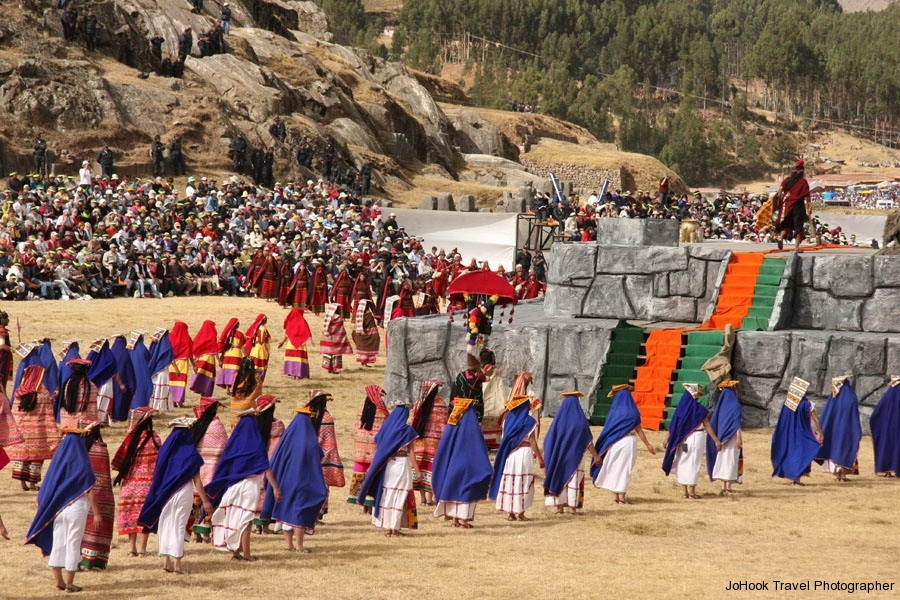
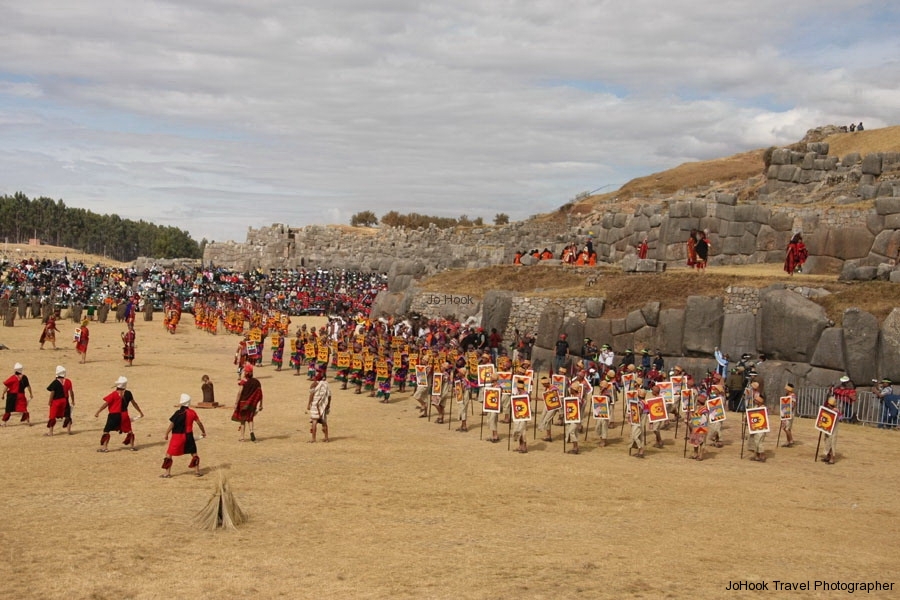
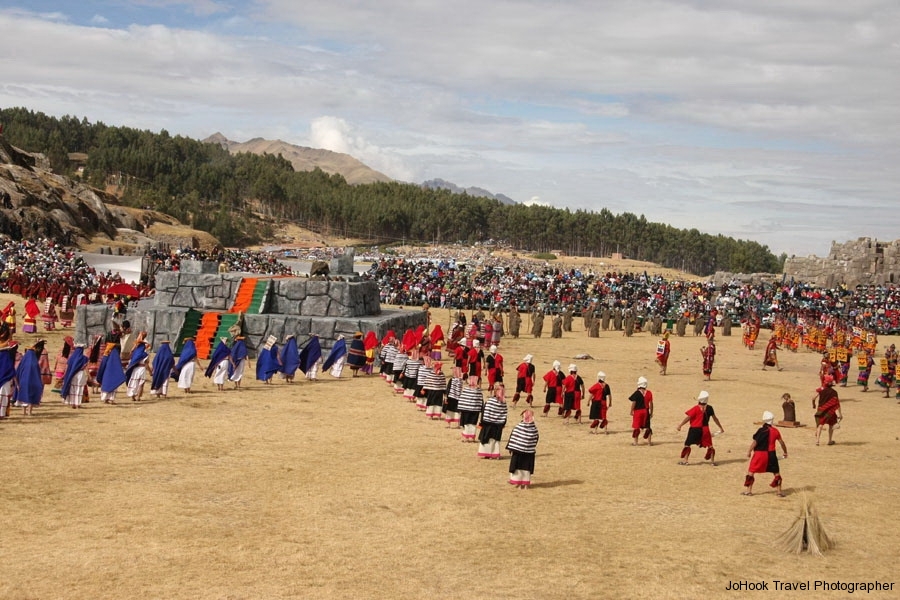
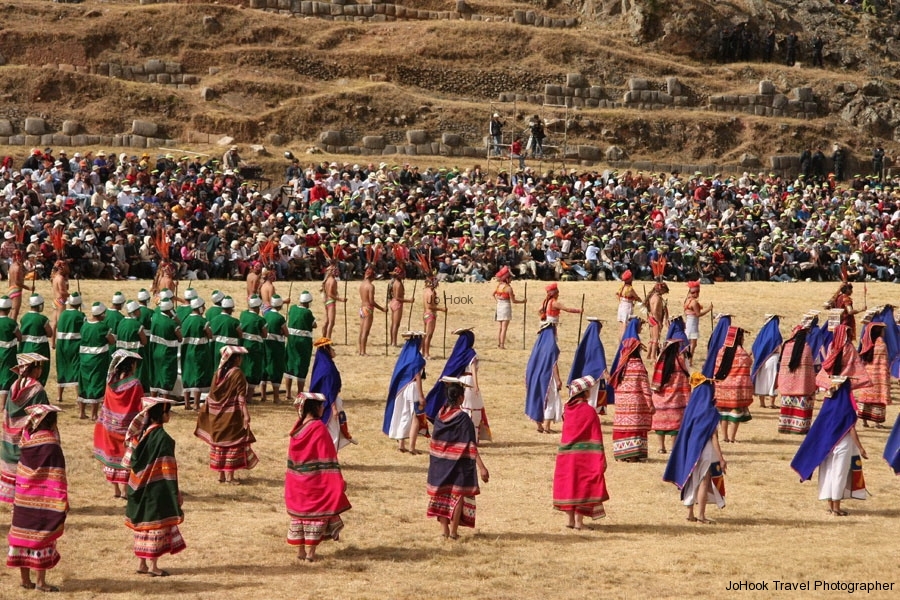
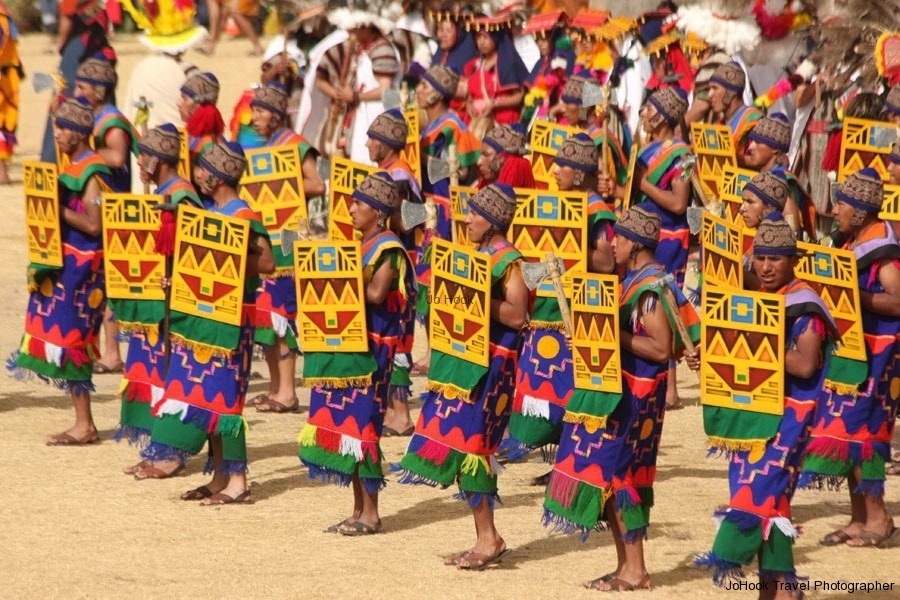
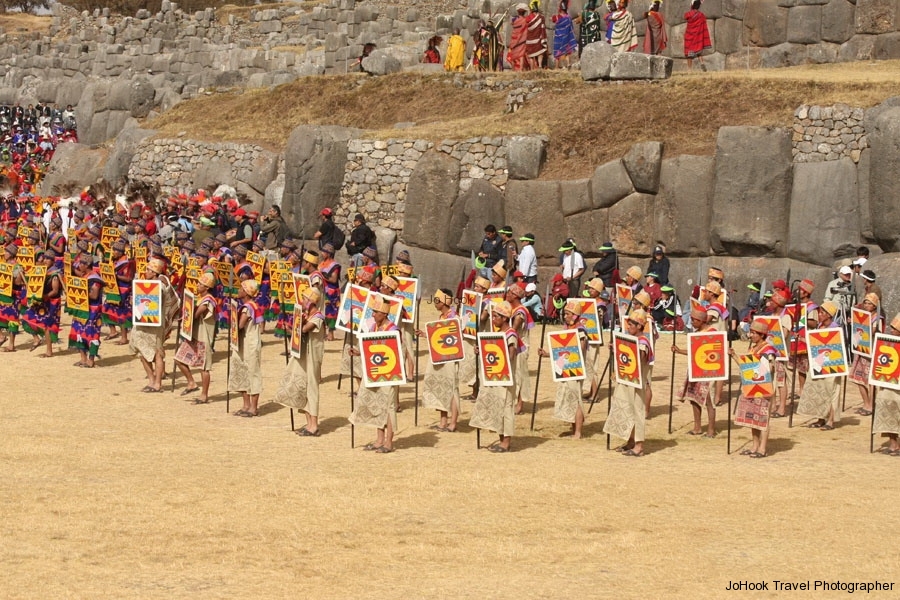
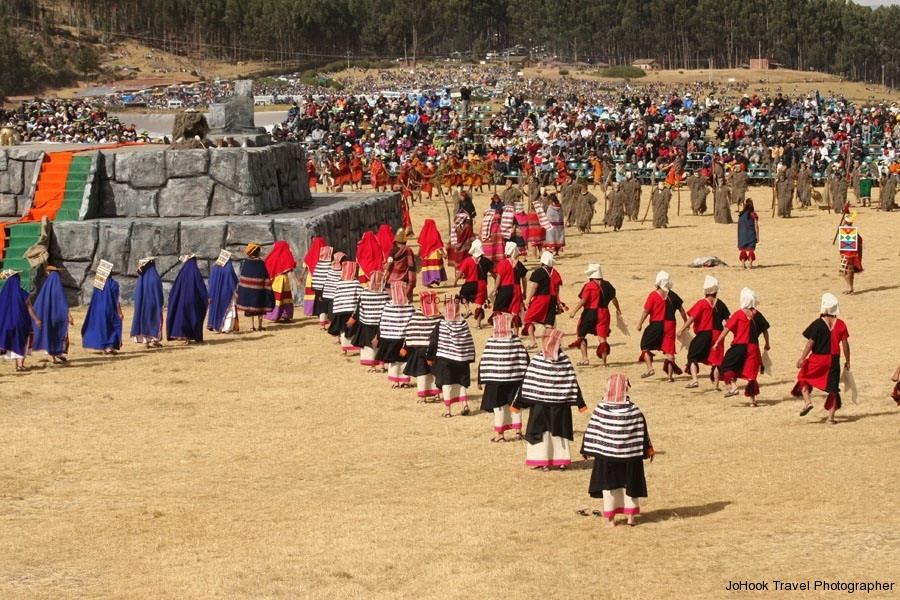
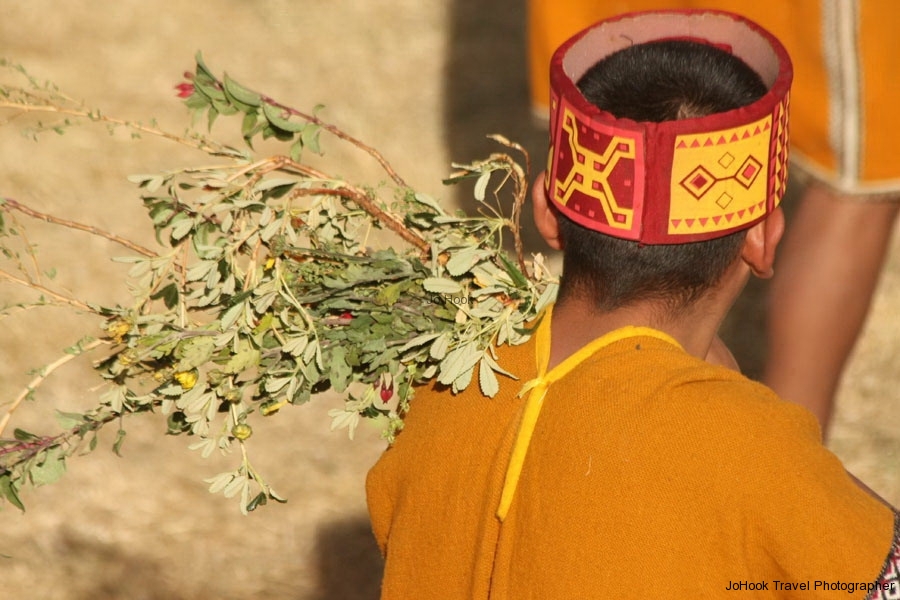
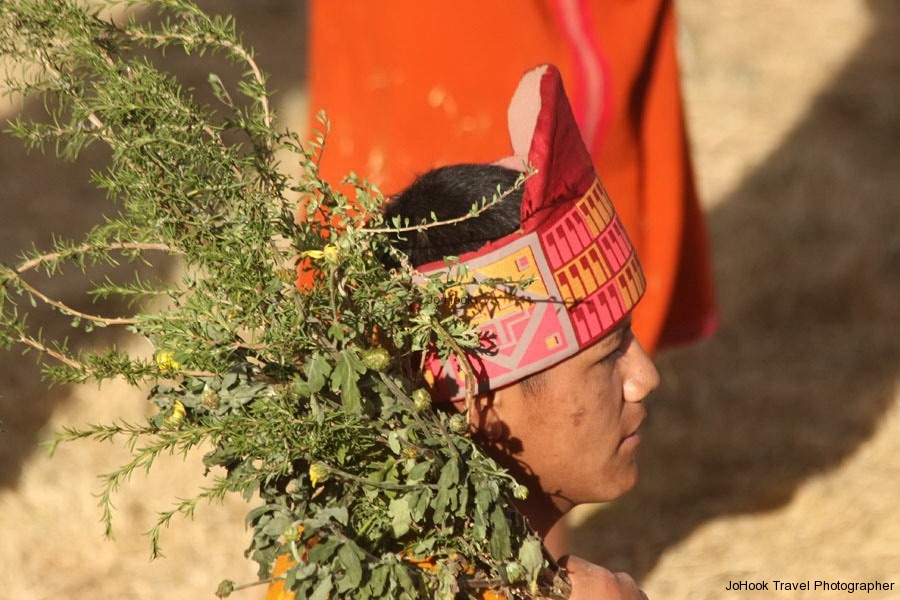
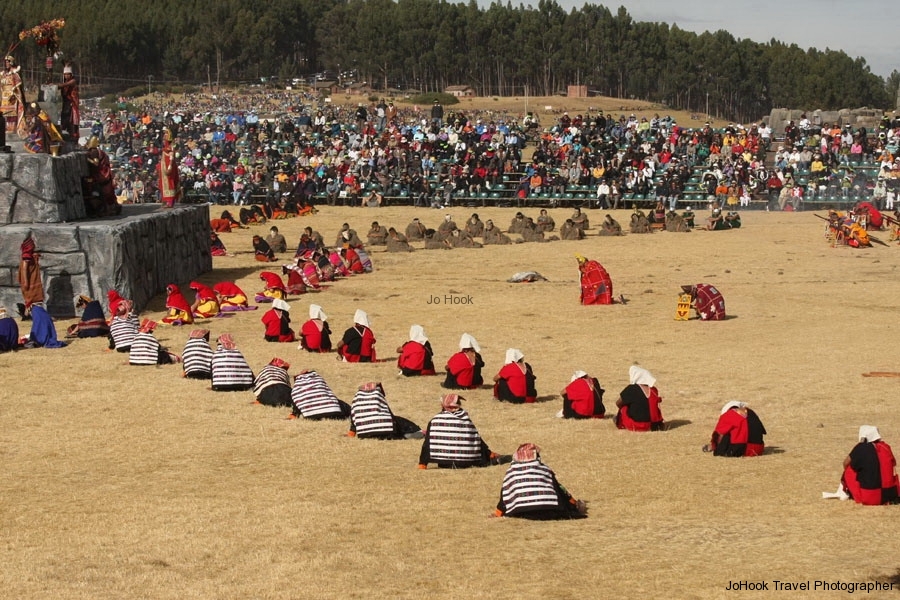
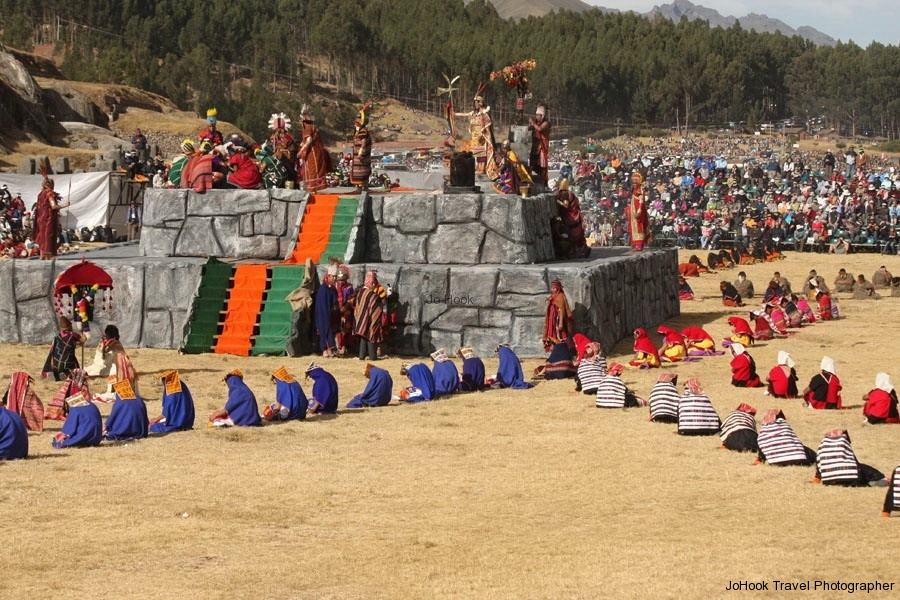
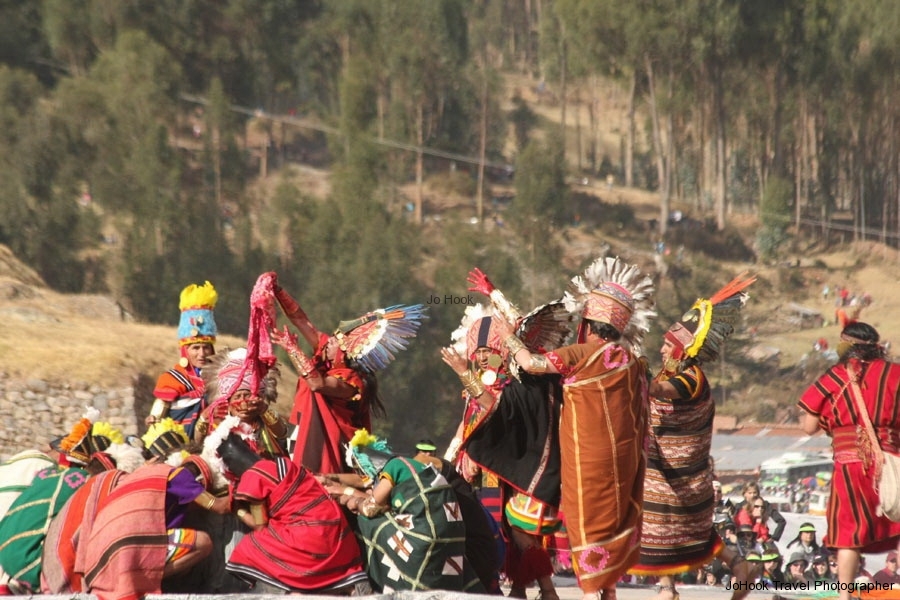
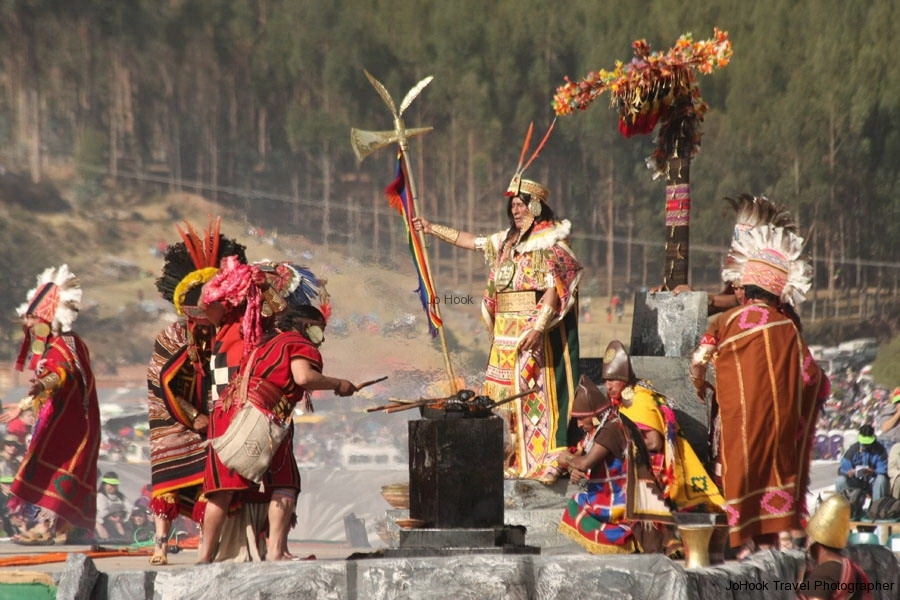
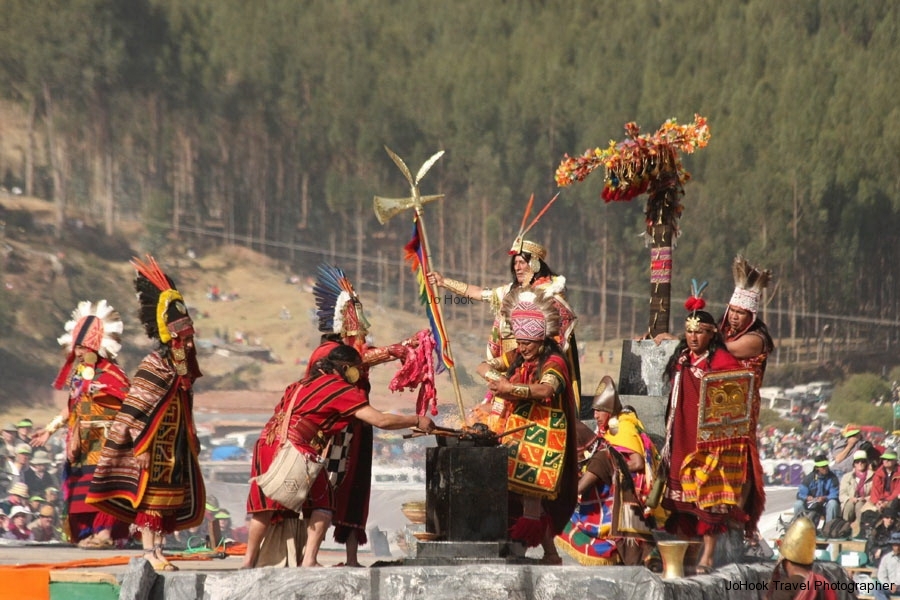
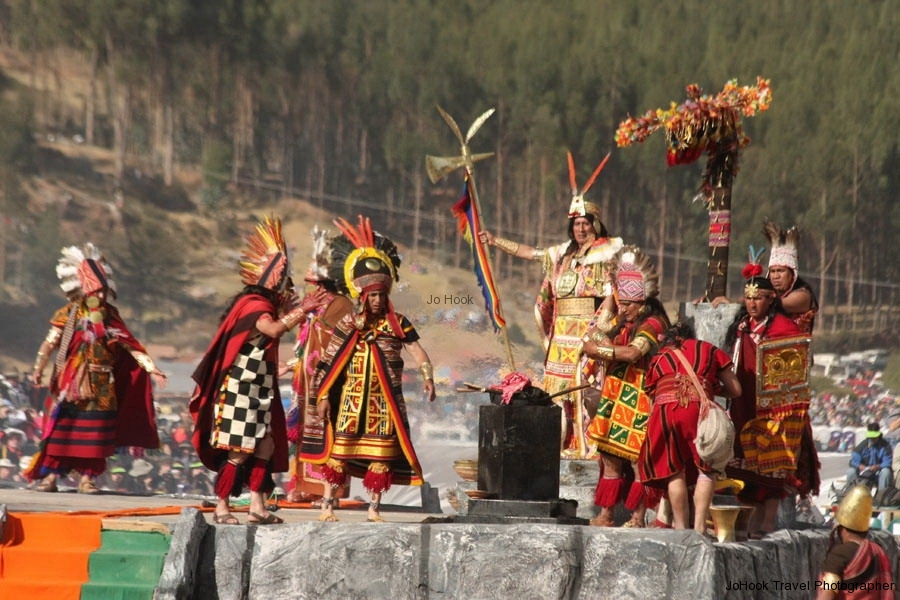
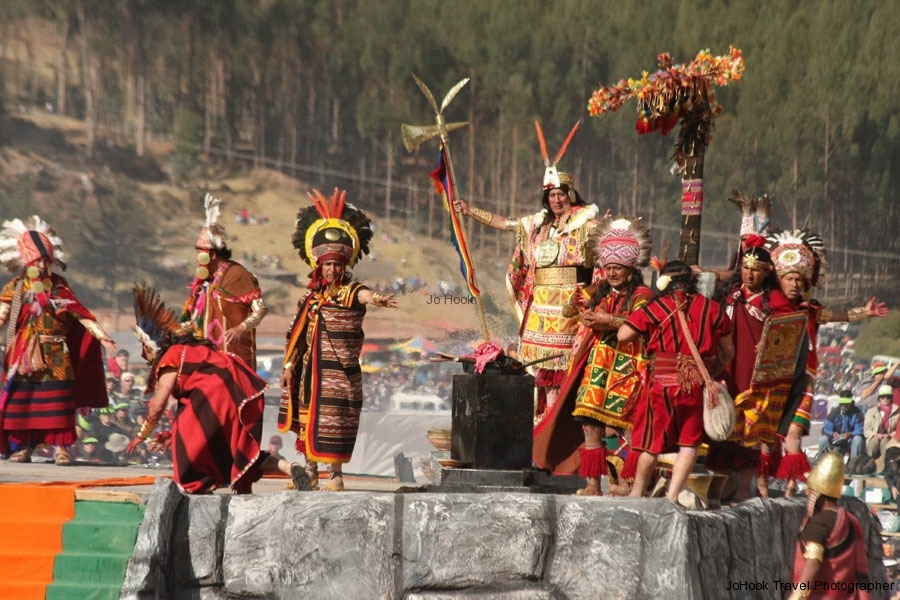
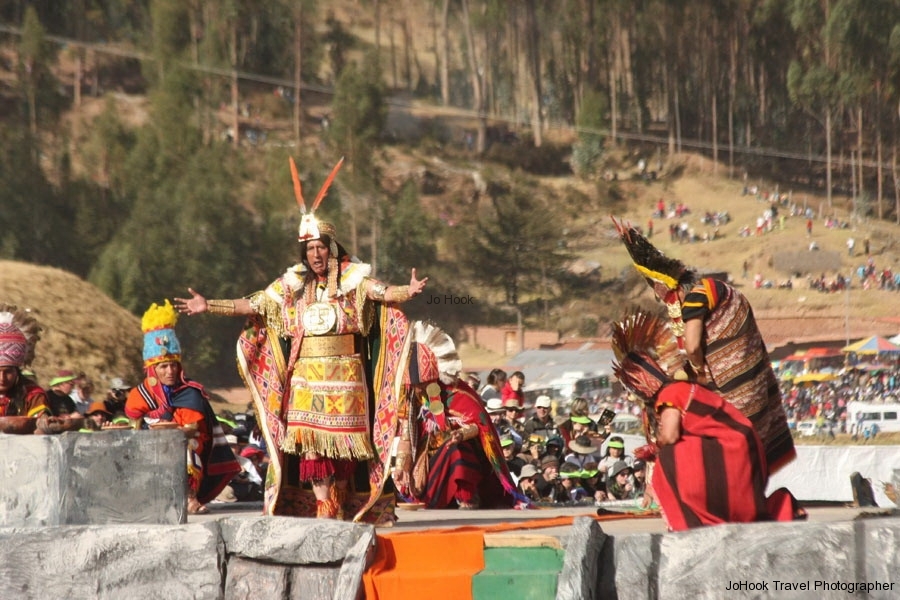
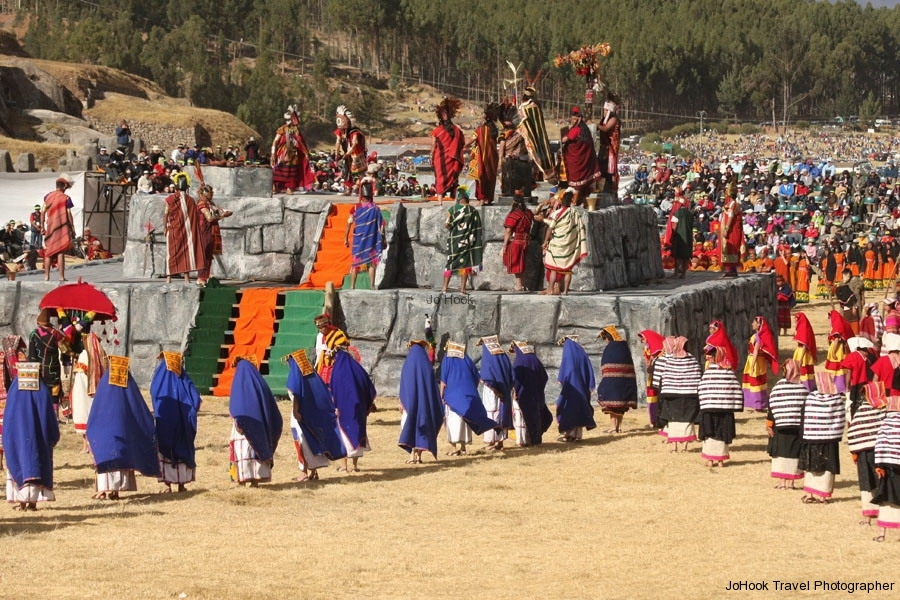
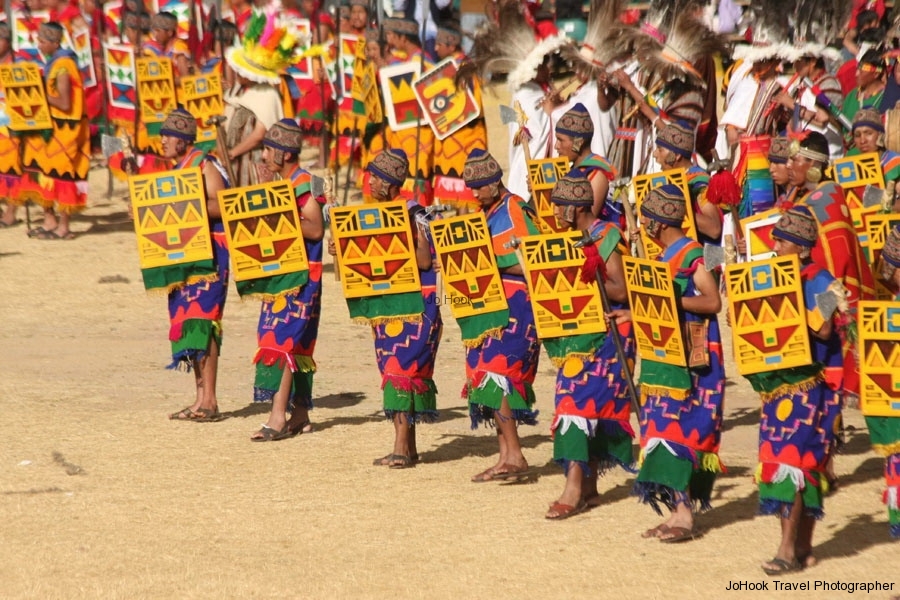
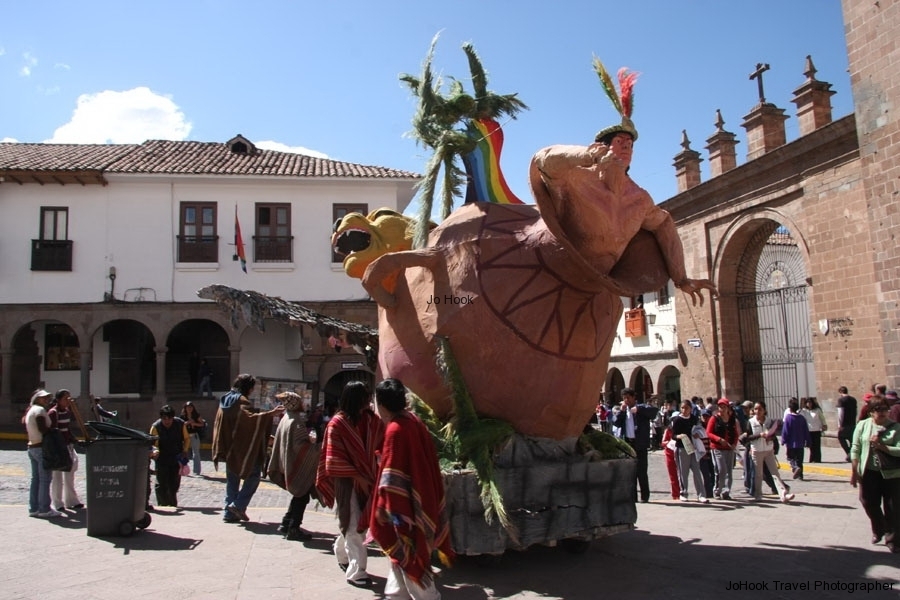
Held in the shadow of Sacsayhuaman an amazing Inca fortress with massive walls made of smooth stone and miraculously surviving the centuries for all to see the wonder of the Inca.Inti Raymi is the most important festival in all of Peru. With colorful costumes, lavish banquets, festive music, an elaborate reenactment of ancient Inca rituals takes place on the 24th June every year culminating in a royal procession of a homage to the sun that is centuries old. The ceremonies take place at the winter solstice, when the sun is farthest from the earth.
Fearing the lack of sun and ensuing famine, the ancient Incas gathered in Cuzco to honor the Sun God and plead for his return. The celebrants fasted for days before the event, refrained from physical pleasures and presented gifts to the Inca, who in return put on a lavish banquet of meat, corn bread, chicha and coca tea as they prepared to sacrifice llamas to ensure good crops and fertile fields.
To sun-worshiping Incas, the rite of Inti Raymi, a tribute to the Sun God Apu Inti Tayta, surely marked the most important date on their calendar. The first Inti Raymi was in 1412. The last Inti Raymi with the Inca Emperor’s presence was carried out in 1535, after which the Spanish and the Catholic priests banned it. After the Spanish conquest, Inti Raymi was changed to coincide with the Catholic feast of St. John the Baptist. The modern re-creation, based on colonial accounts of the sacred rite, began in the 1940s as a way for Andeans to recapture the spirit and values of their ancestors.
I have to thank my friend Lisa who selflessly gave up her ticket so that I could go in and watch the ceremony. I can never thank you enough for that Lisa!
Inti Raymi recalls a time when it was thought that only through fervent prayer, devotion, and sacrifice that the sun could be persuaded to return and bless us with crops and fine health.
Starting from the remains of Qorikancha, the sun temple, Sapa Inca delivers a traditional oration in praise of the sun in Cusco town after which he’s carried upon his massive throne in a royal procession to Sacsayhuaman.
As the procession winds through streets filled with music, dancing, prayers, scattered flowers, the ladies with brooms sweep away evil spirits.
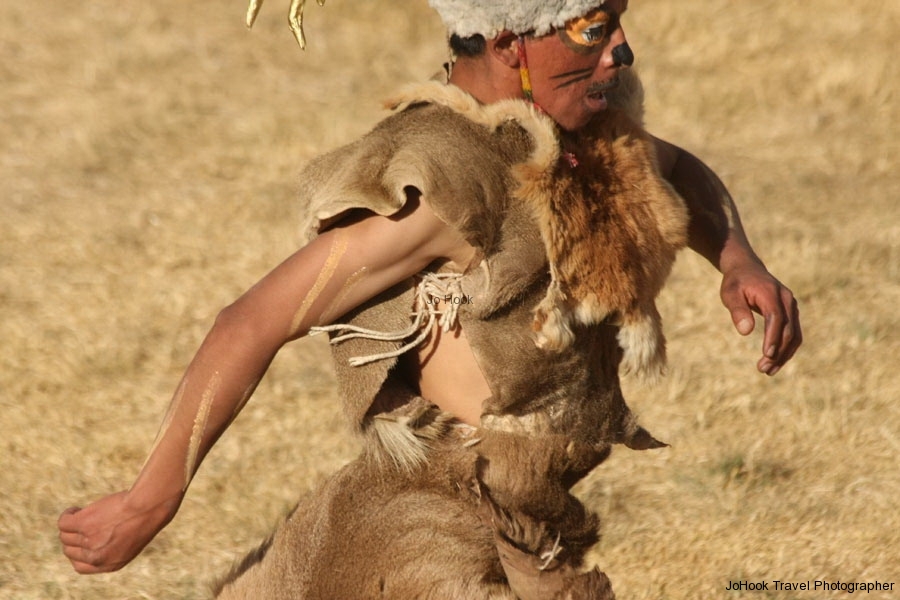
The Sun King and then Mama Occlo, various priests and participants dressed the traditional Incan hierarchies, bedecked in lavish jewelry and colorful robes and as snakes, pumas and condors.
Once the congregation reaches the grand square of the fortress, Sapa Inca delivers another oration followed by representatives of the Suyos, which include the Snake to represent the underworld, the Puma representing earthly life, and the Condor representing the Heavens. Following this, the ritual of sacrificing a white llama takes place after which the high priest holds the llama’s beating heart up to honor Pachamama (the Mother Earth goddess), to ensure that the Earth will be fertile and that crops will be abundant. The ceremony is recited in Quechua, the native tongue that is still spoken in Andean highlands.
Sunset brings a great fire and dance ritual honoring Tawantinsuyo, the name the Inca gave their territory (Tawa meaning Four, Inti meaning Sun and Suyo meaning Direction; all combined this amounts to “The Four Directions Under the Sun”). Finally the procession marches back to Cuzco with the Sun King and Queen held high atop their thrones.

0 Comments