Rio de Janeiro: the City, the Favela and the Botanic Gardens








no images were found
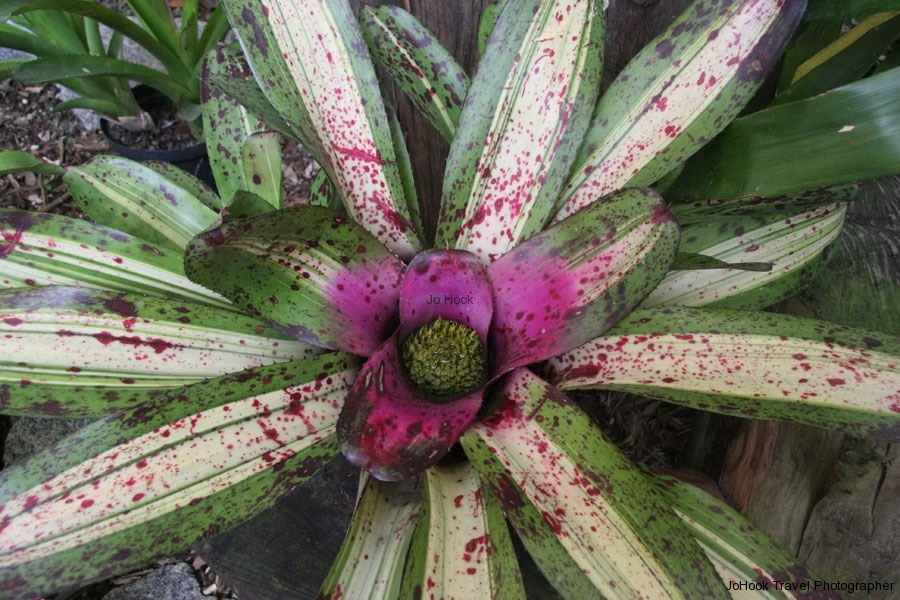
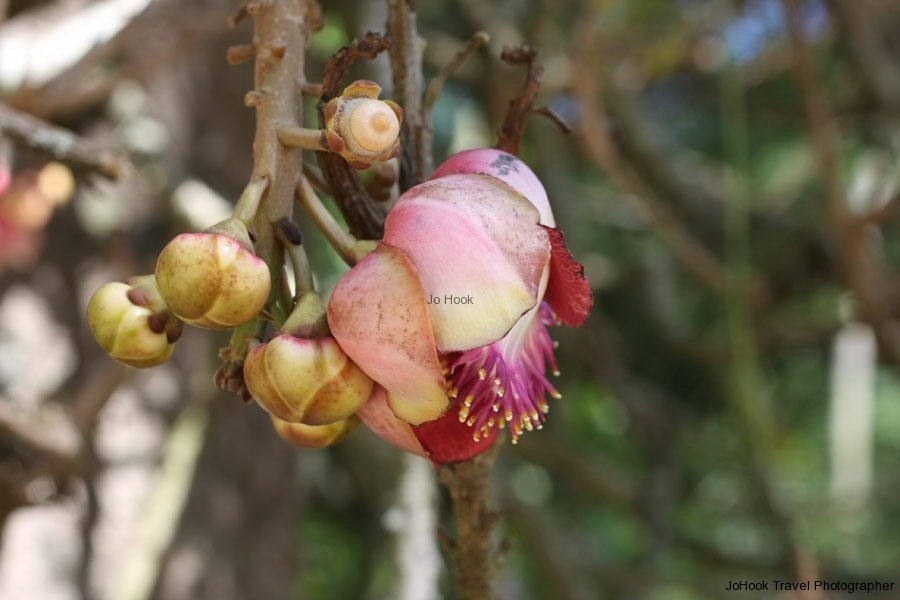
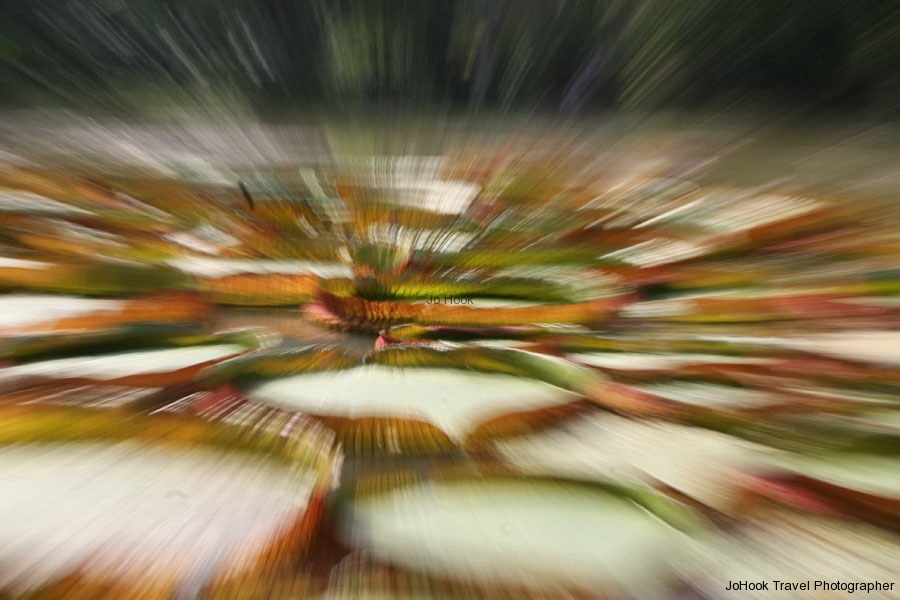
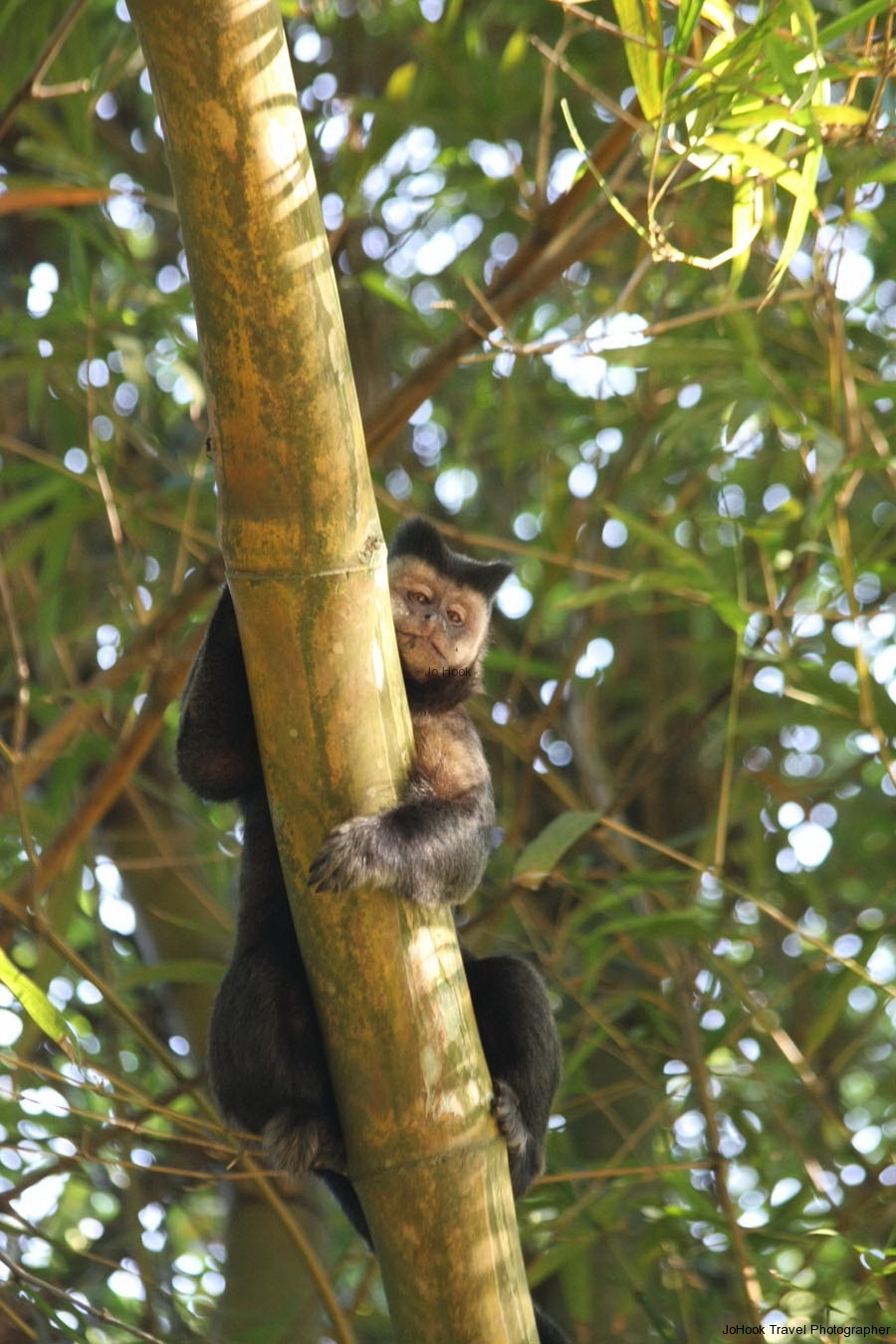
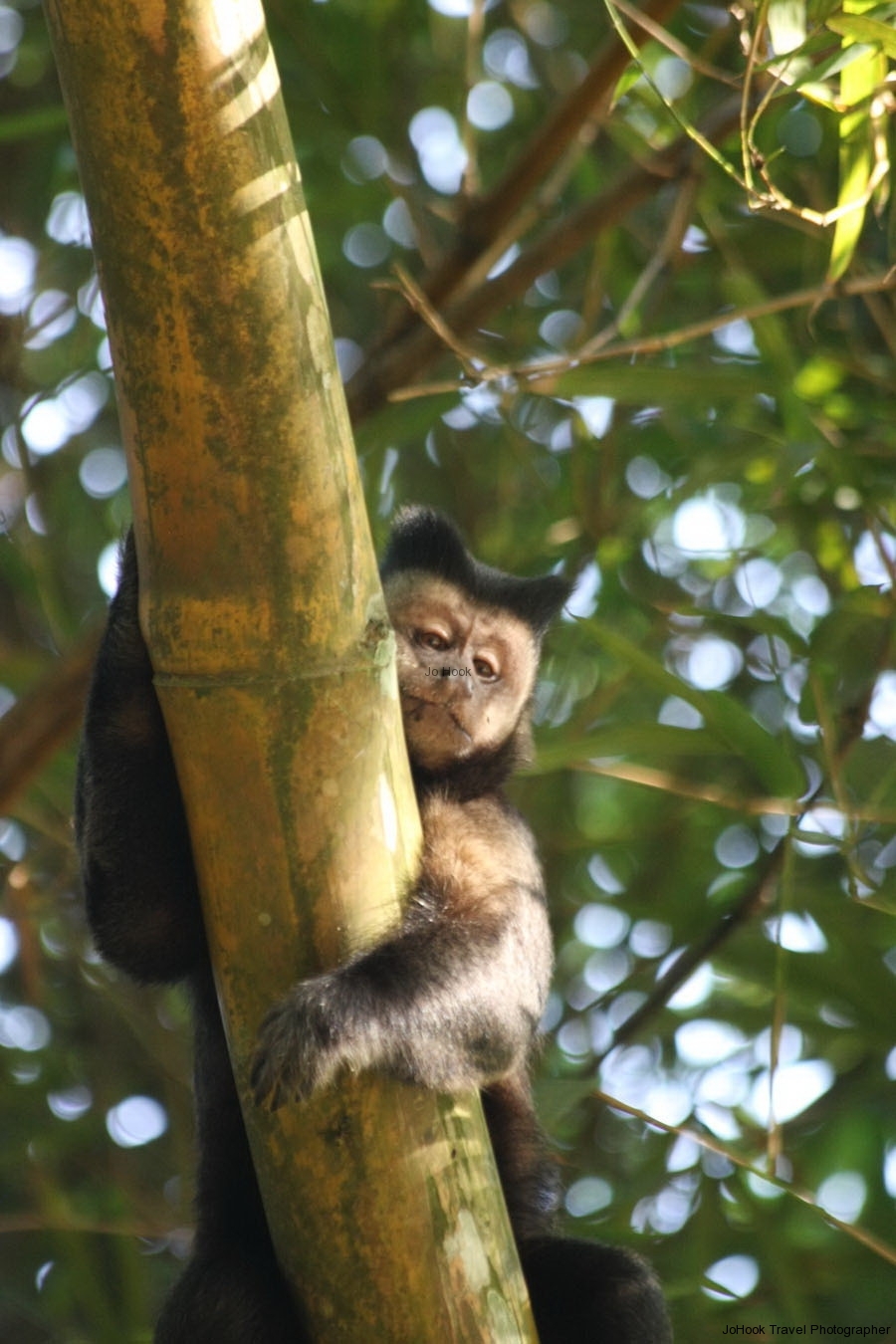
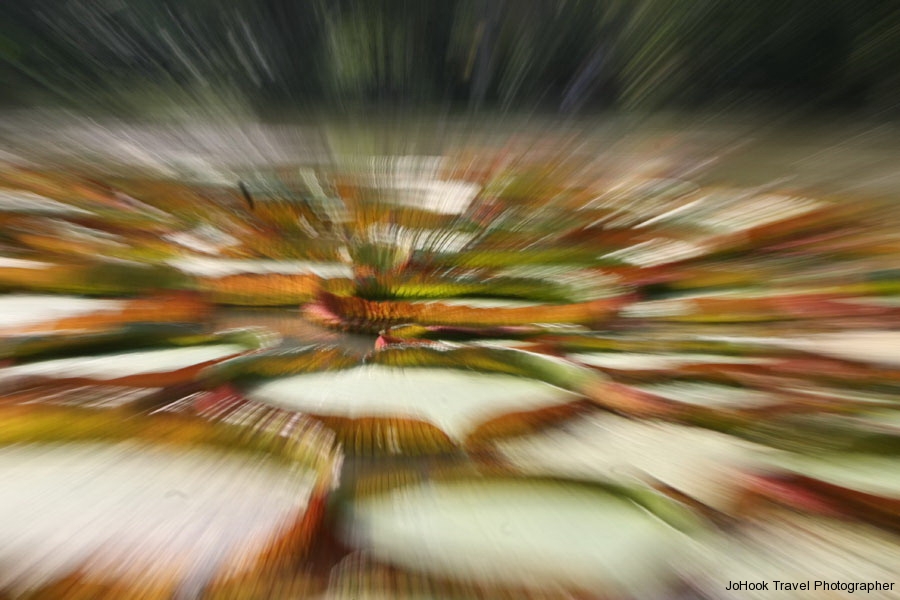
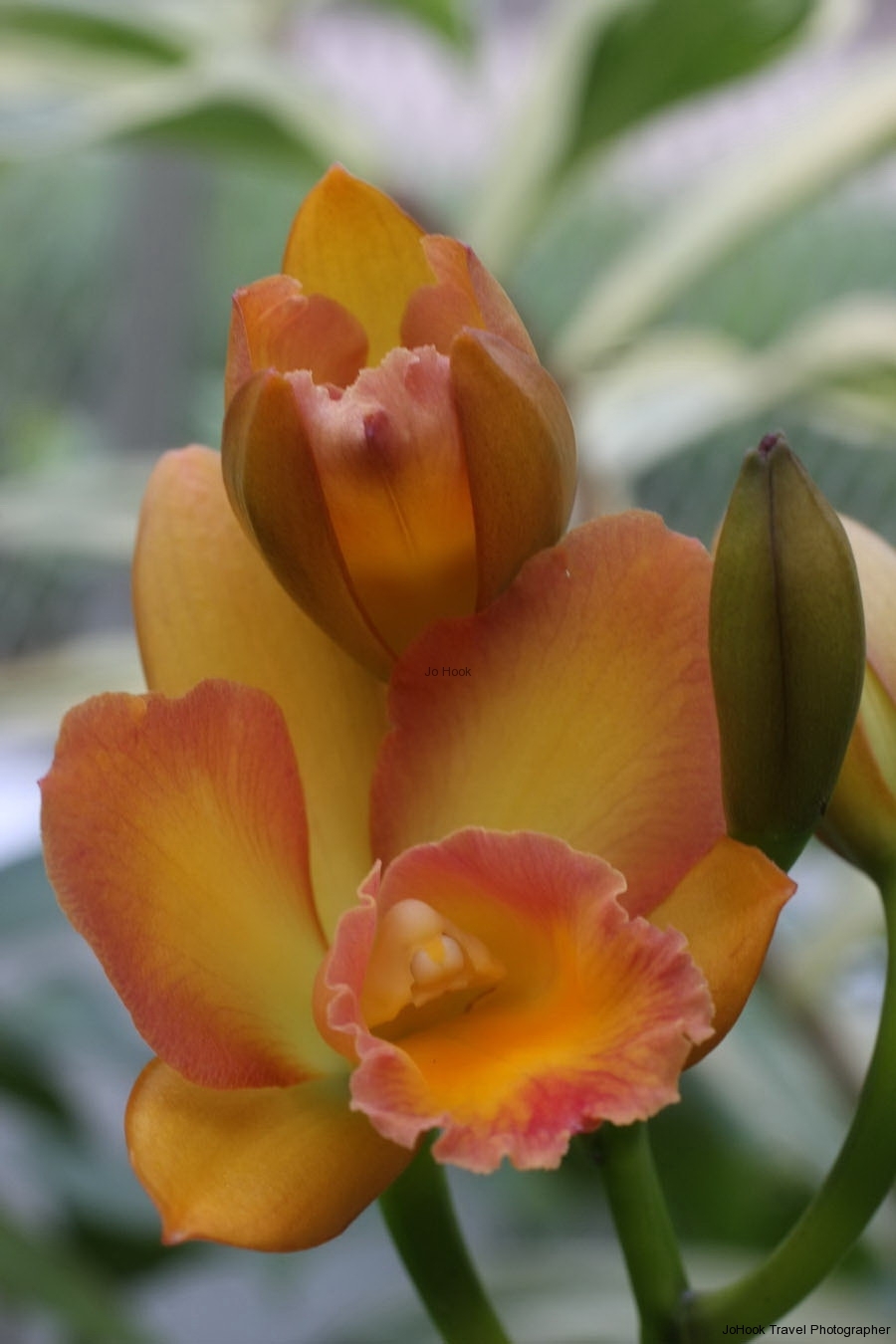
Rio de Janeiro’s botanic gardens are lush and tropical with one whole area dedicated to Orchids. I loved the Victoria Leaf water lily and if you look closely one of them has a small tortoise living on the leaf. The gardens are alive with life and I saw squirrels, monkeys, toucans and many other birds during my wanderings through the gardens.
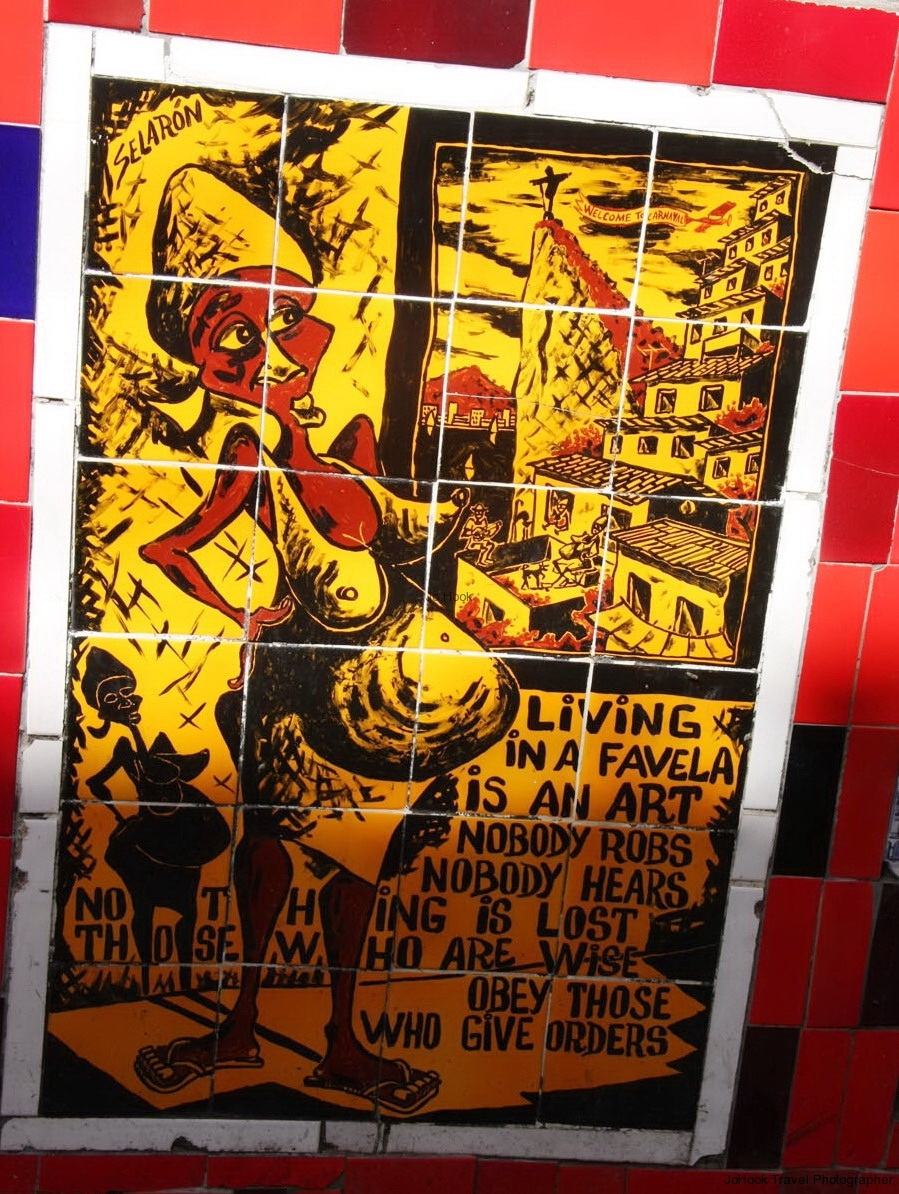
Behind the modern city, it’s beautiful beaches, art markets and luscious gardens are the Favelas where the very poor live. These Favelas are run by drug barons who sell drugs to tourists and locals and wander about with machine guns loosely held under their arms. The drug barons are a kind of Godfather to these people and in Favela Rochina they have constructed roads, built bus systems so that people can get from here to there, organised running water and waste collection none of which was done for the poor people by the government. Open drains run through the ram shackled buildings, many families live in one room, without sanitation and you see people washing themselves in their daily ritual under the communal street taps. The buildings are built one on top of another, really just room and then another room is added on and another until you get a kind of skewed three story building made of corrugated iron or cardboard or brick. I worked for a few months in Favela Rochina and felt reasonably safe as i passed the drug tables set up in the streets and the gun totting dealers. as I was told that they would not harm me as the publicity would stop tourists coming to buy. Gang law rules and if someone steals from a tourist inside the Favela then their hand is chopped off, if someone kills another person inside the Favela they are killed. This happened to a taxi motorist who had an accident which killed a child. He was found dead the next day.
I was teaching during one of the many battles with local police and we all had to go up on the roof to avoid the bullets coming through the paper thin walls of the school. Here are a couple fo stories I wrote about the favela.
“I think of them as modern day Robin Hoods” Joao states. “They rob from the rich and give to the poor. They have given Rocinha law and order as well as bringing work into the area.”
Joao, the American benefactor of a crèche for young mothers, has a different take on the gangsters that run Rocinha, the favela in Rio de Janeiro.
No one cared about the people of the slums who live high above the city in shacks that slide down the mountains when the rains are too heavy. The government ignored the population of the favelas.
Joao tells me that the drug dealers have organised rubbish collections, set up a transport system and preside over disagreements between neighbours by forming a court. “They do not cause trouble with the people here or steal from them. Before this gang took over there was anarchy and gun fights between the gangs, where people feared for their lives”. He says.
Walking along the street you can see drugs being sold openly by mobsters with enormous sub machine guns while chickens, motor bikes and dogs jostle for space alongside school children, drunks, and mothers with young babies.
Joao proceeds to tell me of one gang member who told him that his group were going to rob an apartment block that very night. “First they take out the security guards and then they rob the inhabitants floor by floor”. As I lived in an apartment block I showed some fear. “Oh don’t worry they only break into the apartments of the very rich.”
“Good to know!!”
There is a strange code of justice in this favela.
Lilia, the owner of the crèche where I volunteer, told me of a Rocinha resident who had her handbag stolen by a man she recognised as living in the favela. The drug lord organised an identification parade and the thief had to give her back all her belongings. Then his hands were chopped off.
Daniel, who runs the School of English where I teach, had to intercede with the big boss when one of his student volunteers made a video of the favela. The drug traffickers wanted to kill her as they did not trust the video in case it revealed the type of guns or the amount of guns they had.
He also told me about a young motor bike taxi driver who was driving recklessly with a mother and baby on the back of his bike. He had an accident. The baby flew out of the arms of its mother and was killed. Two weeks later the motor bike taxi driver was found dead.
“A stray bullet has no address” Leonardo said. He dropped his books on the desk waiting for his English lesson to begin as gunfire crackled around us.
The police had come into the favela Rocinha and bullets were flying between them and the drug dealers. The pump, pump of the pistols and the rat tat, tat of the machine guns scared the hell out of me. Every so often there was a deep boom. This I later discovered could have been a rocket launcher or a grenade!
Sorocco, the infant teacher, pulled me into safety up the narrow corridor into the first floor classroom. As the fight continued the others joined us. “This only happens about once every few weeks” Nick, an American volunteer, sounded blasé. “Last time the police had helicopters”. With the sounds of bullets flying overhead and in the street below I wondered how I would feel if helicopters joined in the battle.
I had come to Rio de Janeiro to volunteer as an English teacher wanting to give my time where it was most needed. I had chosen Instituto Dois Irmaos (Institute two brothers or i2i as they are known here) who welcome volunteers , help them to find accommodation and are totalling committed to improving the lives of the people of the favela. Now I was discovering the reality of life in a favela.
People in Rocinha are dirt poor and live perched precariously on a steep slope in ramshackle housing, scrabbling to survive. The streets of the slum are narrow warrens with just enough room to pass each other if both stand sideways and flatten against the wall to do so. Most streets are damp and dark as no light gets in, clothes hang out to dry, electricity wires dangle just above your head and dogs defecate in the passageway so that you have to be careful where you tread in the gloom. The houses which are built up the hillside are one huge mess of concrete and brick which, if they are lucky, have corrugated roofs and, in heavy rains, are in danger of sliding down the hill. When more rooms are needed they just add another level.
Most streets are dirt tracks which are patrolled by Rambo-type hoodlums as well as chickens, motor bikes, dogs and streams of humanity in all shapes and sizes. There is a market where you can buy almost anything from fruit, vegetables, clothes, mobile phones to live chickens. There are many baby clinics, a couple of dentists and lots of small businesses selling a few measly tins of beans, mending televisions or renovating fridges. Open sewers run alongside the streets and if I followed one to the end I would enter a maze of corridors and arrive at the dilapidated building which serves as the school where I volunteered.
Over half a million people reside in Rocinha and the majority are happy fun loving Brazilians living as normal a life as possible despite walking through the favela every day past gangsters cradling sub machine guns, selling drugs or polishing their pistols. Children go to school, mothers – often as young as 11 years old – are busy with their babies and life goes on as normal despite this constant threat of violence.
For my part I tried not to notice the drug traffickers in the hope that they would not notice little old me as I pushed past the sentries every day to the passageway of my school. Education is very important to the people here as they see it as a way of getting out of the ghetto and better the lives of their families. My students were a melting pot of children, university students, waiters, housewives all trying to learn English as a step towards a brighter future. Many showed up as often as three times a week. I loved my small part in helping them achieve their dreams. They in turn appreciated my support and let me know it.
Back in the classroom our hearts jumped as there was a knock at the door. Sorocco and Nick looked at each other in alarm. Would it be the police or the thugs? Sorocco opened the door cautiously. It was Leonardo, the ambitious young waiter, taking advantage of the lull in fighting to turn up for his English lesson. “Weren’t you scared” I asked Leonardo who had braved the gunfight to come to school.
He shrugged. It was just another day for him.
If you are interested in knowing more about the favela and the work of the two brothers institute please visit: www.2irmaos.org.