Lavagem de Bomfim Salvador De Bahia

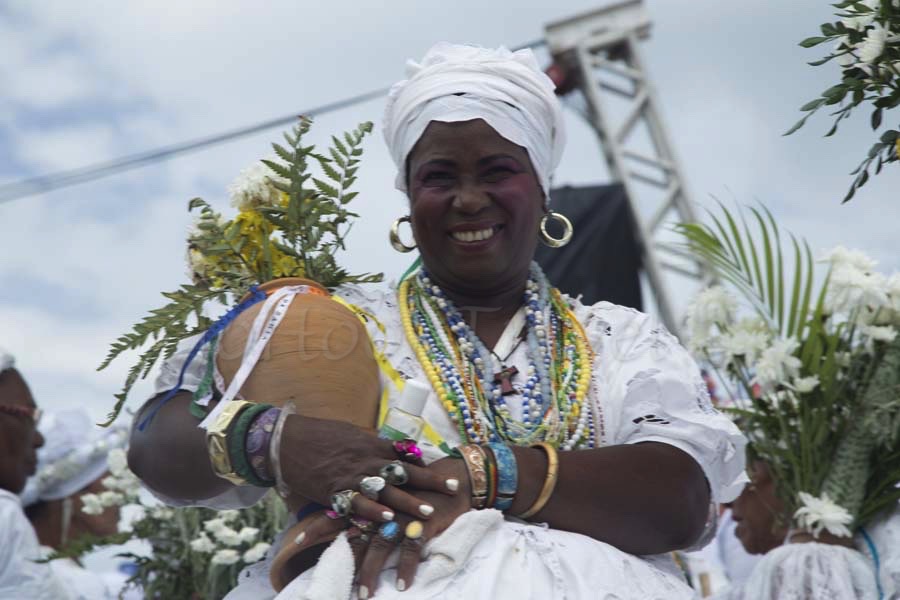
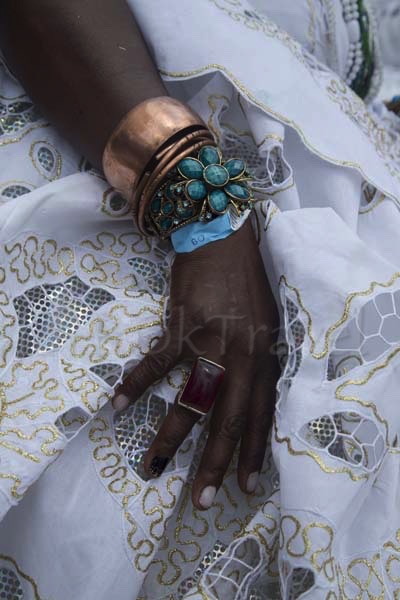
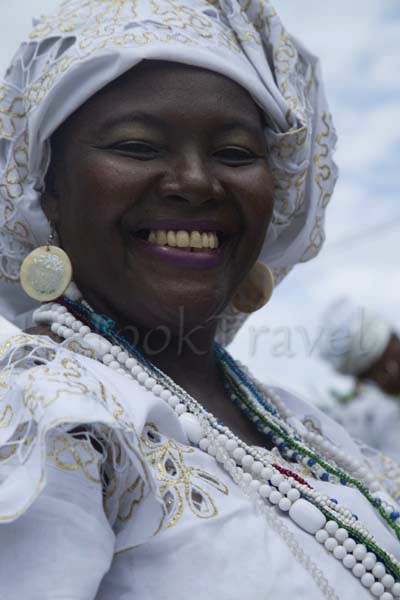
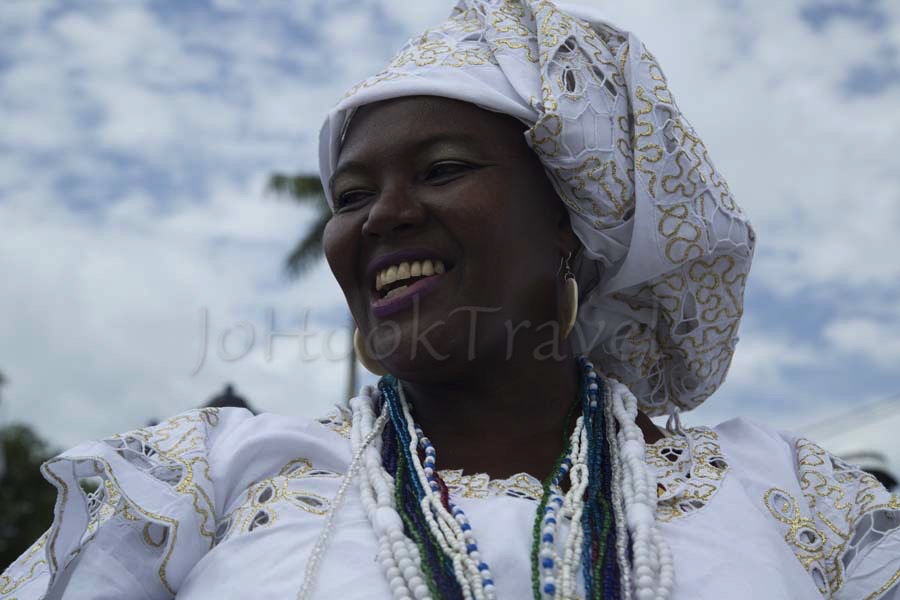
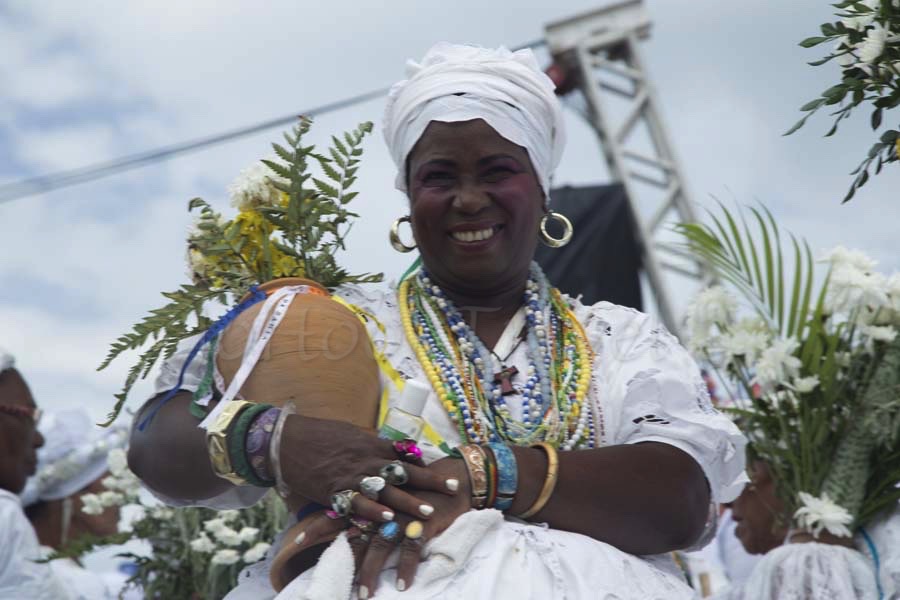
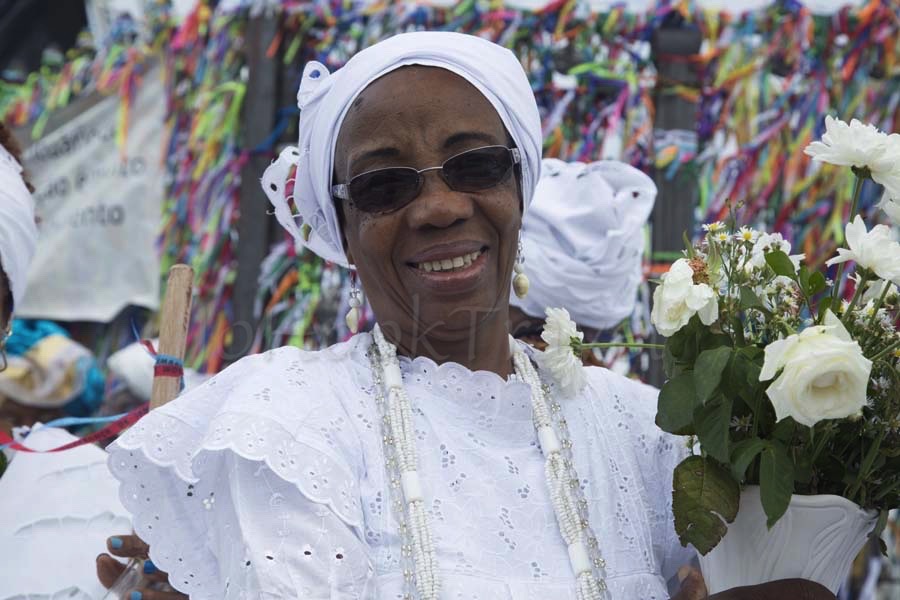
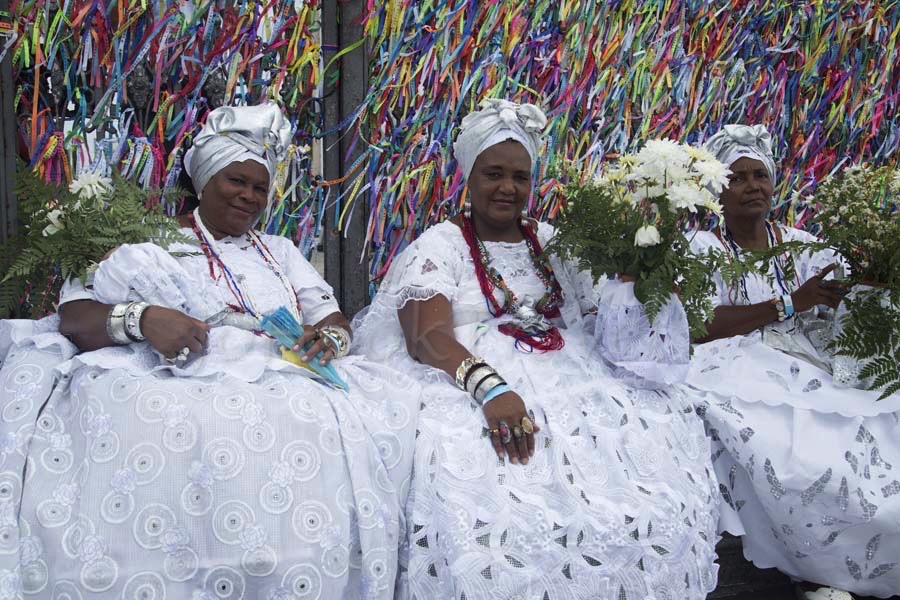
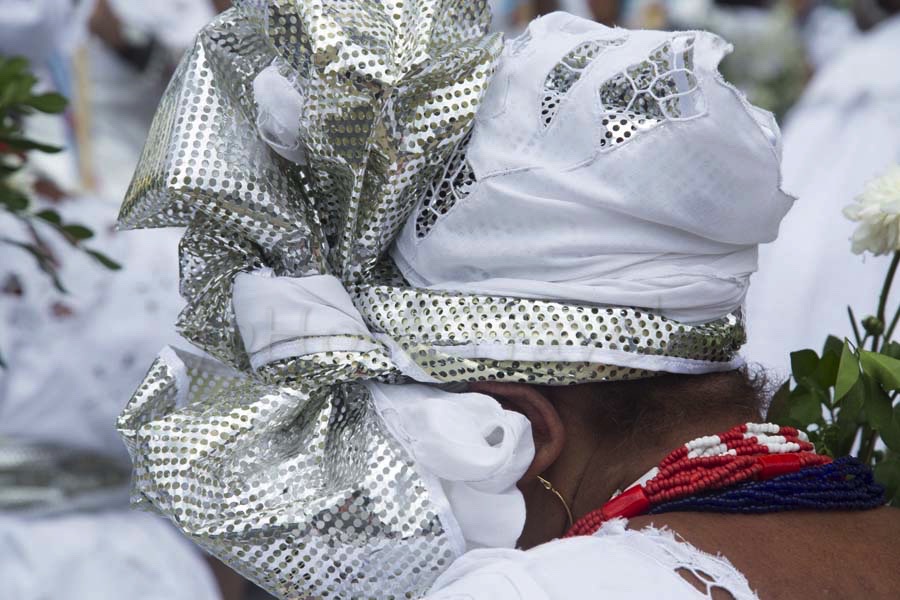
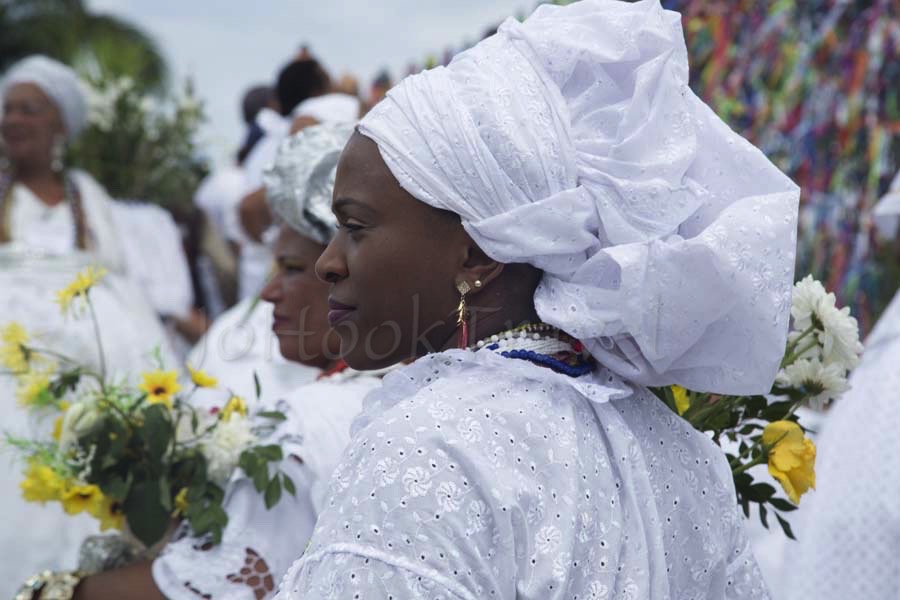
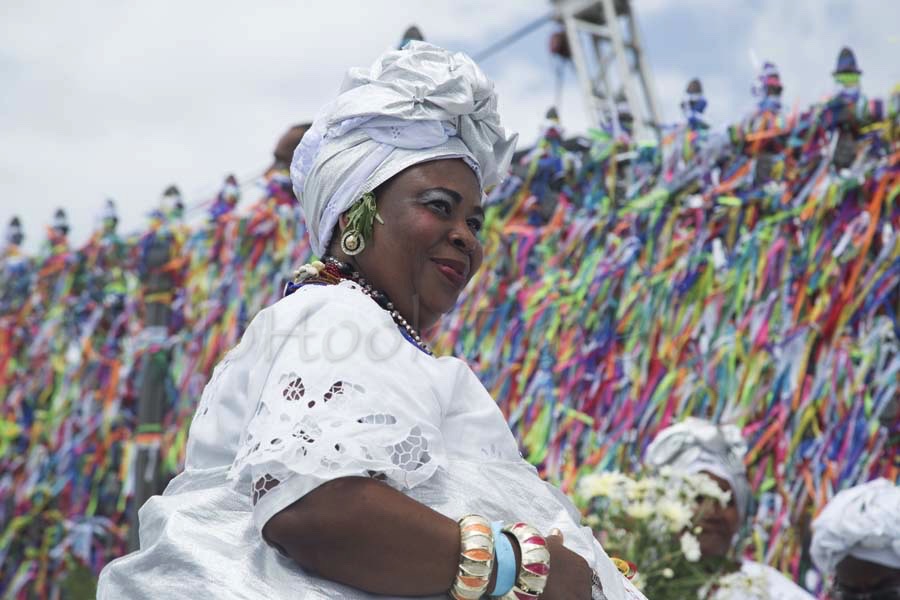
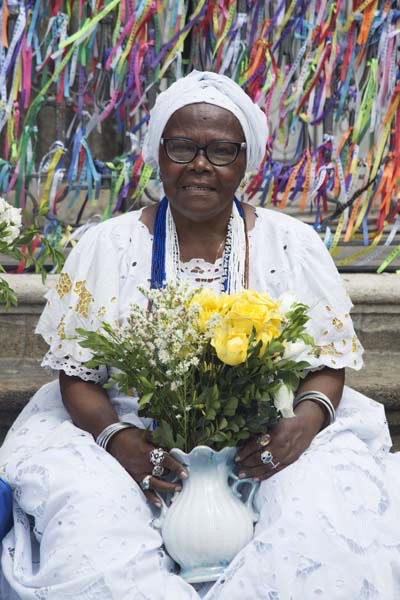
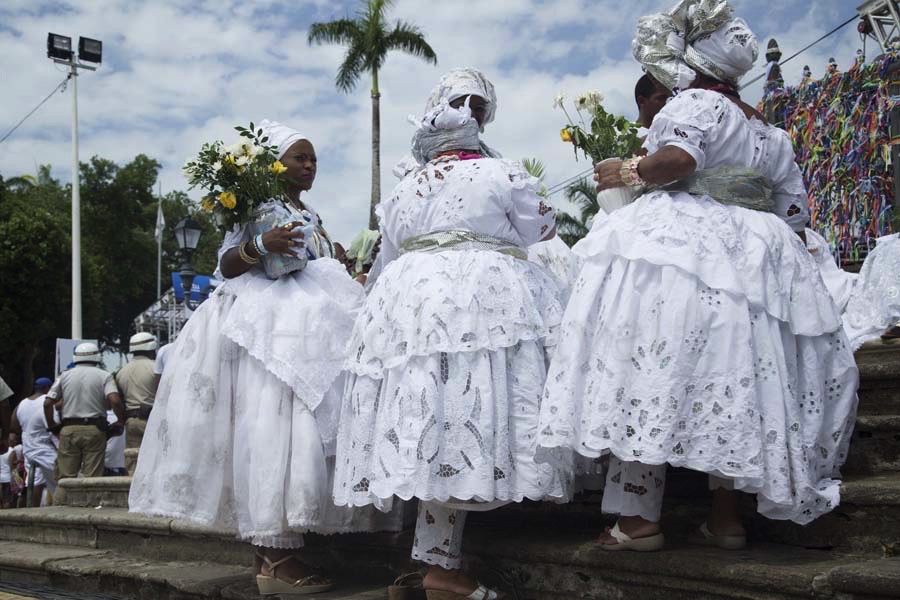
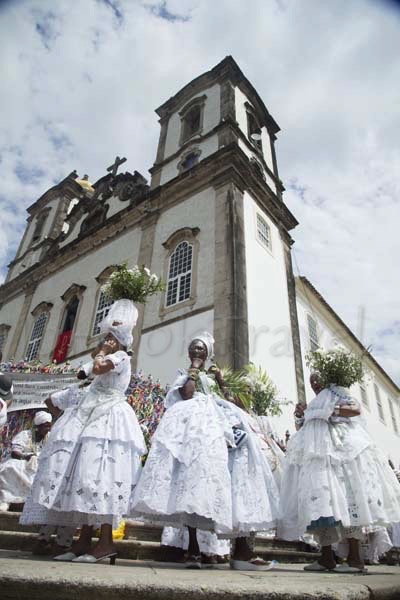
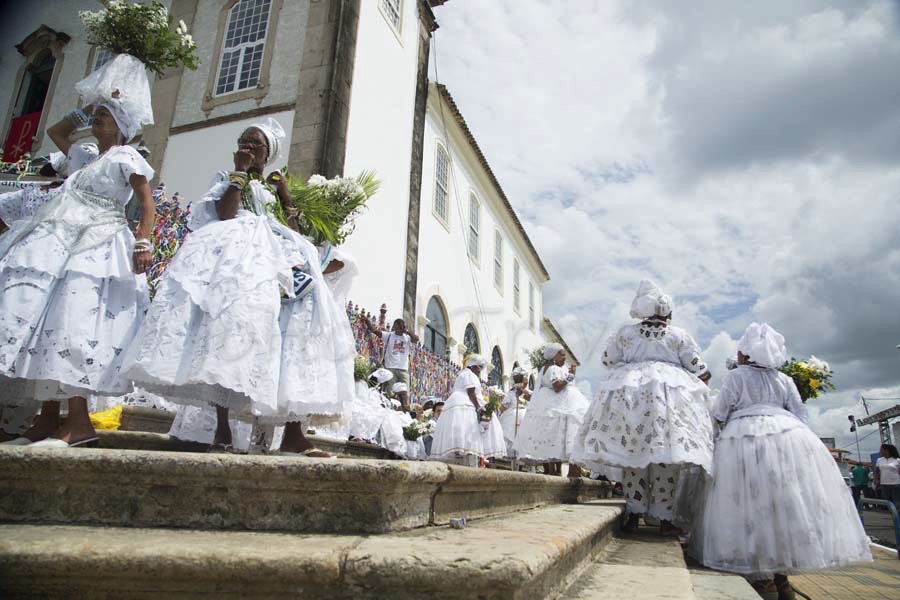
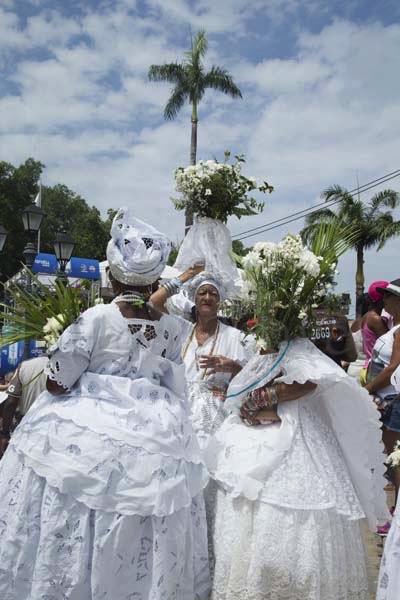
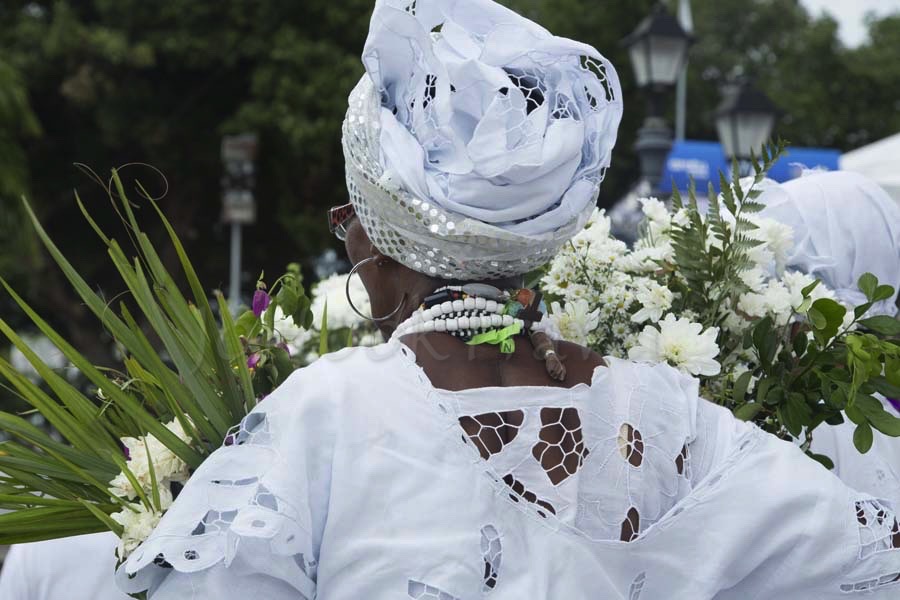
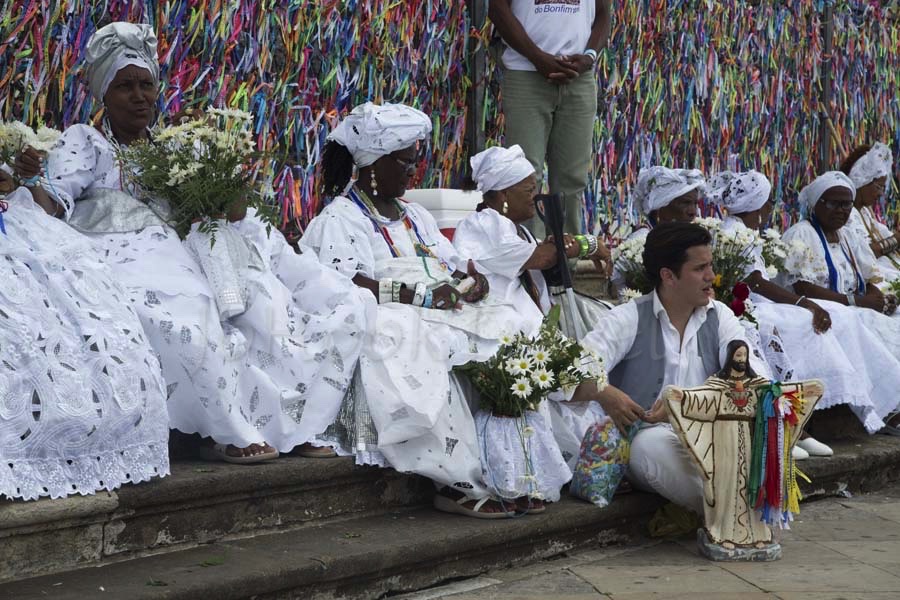
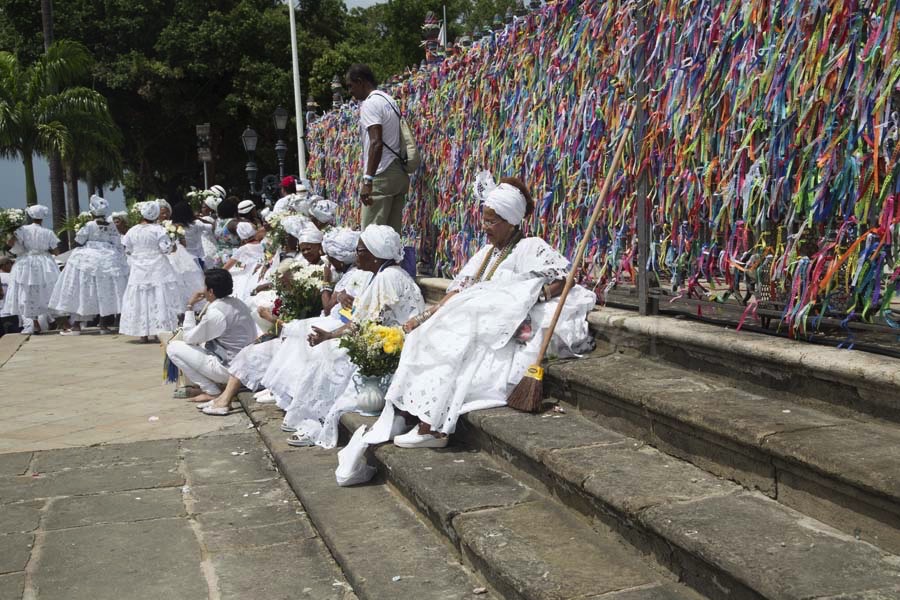
Lavagem do Bonfim, On every second Thursday of January, the day of the Lavagem, a 10 km procession of people dressed in white with many beaded necklaces, march towards the church of Nosso Senhor do Bonfim where Bahian women will empty their aromatic water pitchers on the steps of the church, overseen by Catholic priests and Candomblé priestesses. This is a very old festival in homage to ‘Jesus, el senor de Bonfim” where the Baianas have washed the steps of the church since 1754. There is a long procession of more than 500 Biananas and many more followers from the church of Penha to Bomfim with the image of Christ.
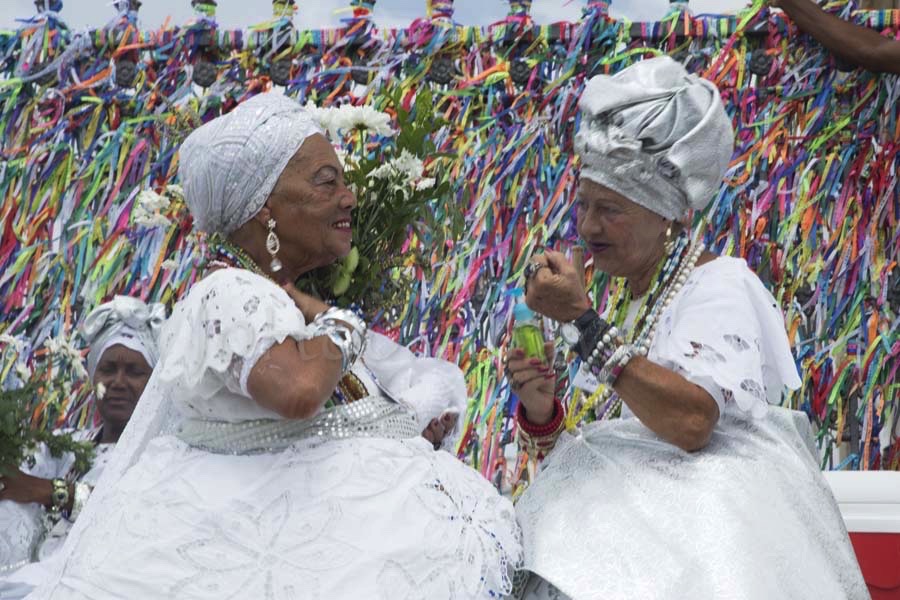
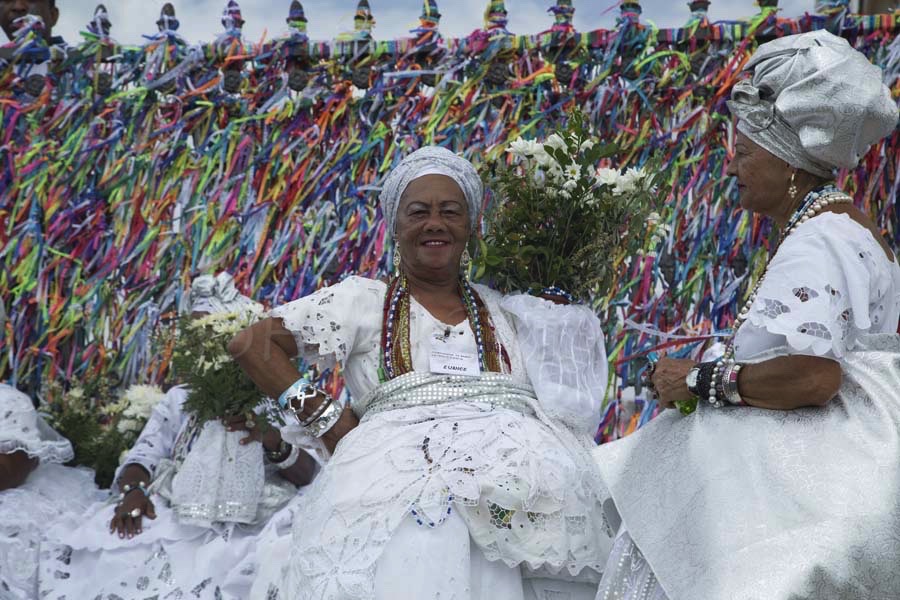
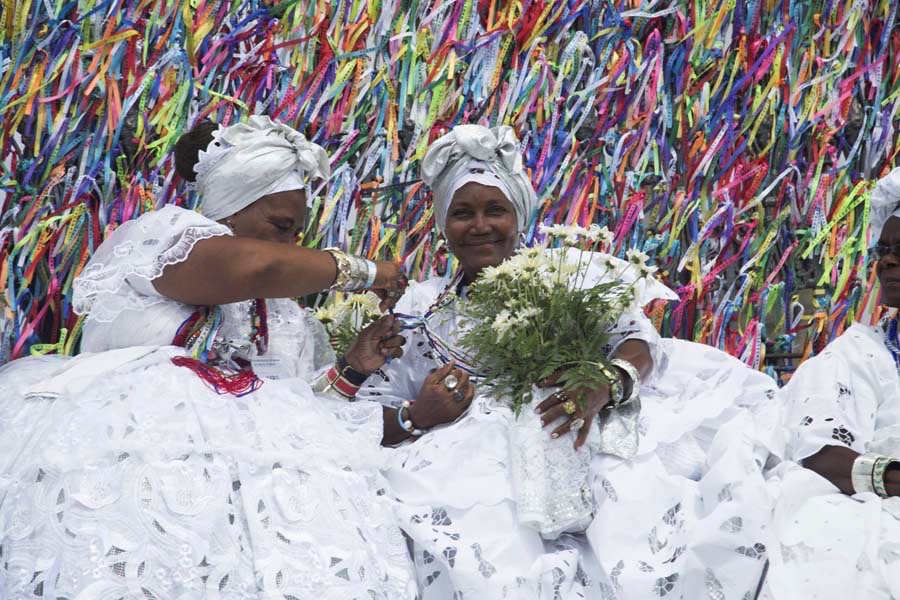
Everyone marches right behind the Baianas who spray and splash onlookers with cologne for good luck. Many vendors try to sell Bonfim ribbons in all colors of the rainbow. According to an old tradition, tying such a ribbon around the wrist grants the wearer three wishes, which will come true by the time the ribbon falls off. Taking off the ribbon, however, may invite bad news. The ribbons are also tied to the Church railings for good luck and people make a wish while tying them.
The church of Nosso Senhor do Bonfim is one of Salvador’s most traditional churches and one of the greatest symbols of the local religious syncretism. Known by the Catholics’ faith in the city’s patron saint, the Church also represents elements of Candomblé, where the Saint joins Oxalá, the father of all orixás. Bomfim means good ending.
In 1773, when slaves were ordered to wash the church’s steps for the celebration of Bom Jesus do Bonfim, two Sundays after Epiphany, a new custom was born. The Washing of the Steps (Lavagem do Bonfim), held on the second Thursday after Epiphany, is a highlight of Bahia syncretism, in which rituals of Afro-Brazilian blend with Catholic traditions.
Candomblé was the religion, outlawed by the Catholic church, that the African slaves adhered to. Originally, as the Catholic church tried to convert the African slaves, they banned the worship of the many African gods and deities. Rather than give up their own gods, the African slaves simply “hid” their gods in the worship of the Catholic saints. The African deity Oxala and Jesus became one, and Salvadorans annually celebrate this supreme protector in the Feast of Bonfim. Over time, the church began to accept this fusion of the gods, at least unofficially, and Candomblé remains one of the largest religions in Bahia. Senhor do Bonfim became guardian of the city, provider of miracles and granter of wishes. This church quickly became famous for it’s power to heal and cure. People flocked to the church to pray and would often tie a ribbon, originally around their neck, to remind them of the healing their faith had provided and to help them stay healthy and strong.
Wish Ribbons first appeared at the church in 1809 and were originally known as the “Measure of Bonfirm” because they were 47 centimeters long; exactly the length of the right arm of the statue of Jesus Christ displayed on the high altar of the church. Wish Ribbons are more often worn on the left wrist and tied three times. Wrap the wish ribbon around the wrist, and make 3 knots, making a wish for each of the knots tied.
They are stamped with the saying “Lembrança do Senhor do Bonfim da Bahia” which translates to something along the lines of “In Remembrance of the Savior of Bahia.” If you want your wishes to come true, and not curse yourself with bad luck, you must wear the bracelet until it comes off. Once the Brazilian Wish Bracelet falls off the wrist on its own, it is believed that the 3 wishes will come true. The ribbons tied to the gates of the Church of Bonfim (and to wrists of visitors in Salvador) signify the thousands of pilgrims who arrive at this historic site. The ribbons, called “lembrancas,” are tied with a prayer or wish in mind. Each color signifies a syncretized identity of an African orixas and Catholic saint. At the church, every square inch is covered with wish ribbons.
Caught in a severe storm at sea, Portuguese Navy captain Theodózio Rodrigues de Faria vowed that if he survived, he would bring an image of the saint of his devotion to Brazil. Ever since a replica of an image of crucified Christ revered in the captain’s native Setúbal, in Portugal, was placed in the church in the mid-19th-century, the church atop the Sacred Knoll (Colina Sagrada) has been a site of pilgrimage, sought by people hoping for miracles. A room to the right of the nave lined with ex-votos and a myriad wallet-size photos of the grateful is one of the highlights at this attractive church in Rococo style.