The Scared Valley: Moray and Maras, Tipon and Urcos, Pikillaqta and Andahuaylillas

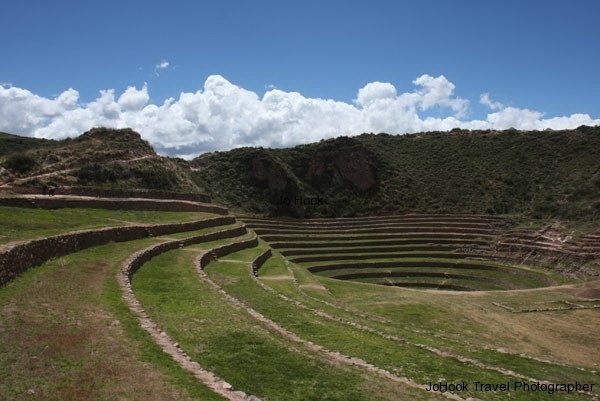
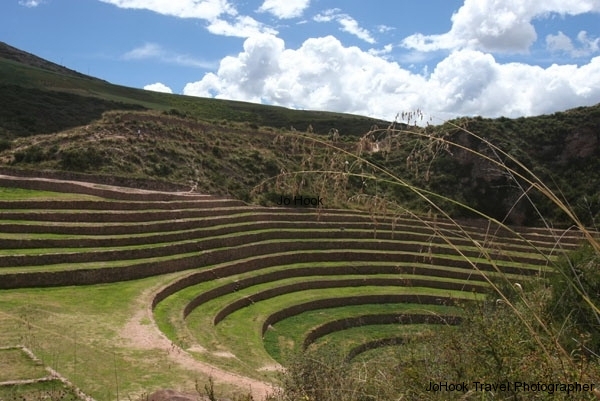
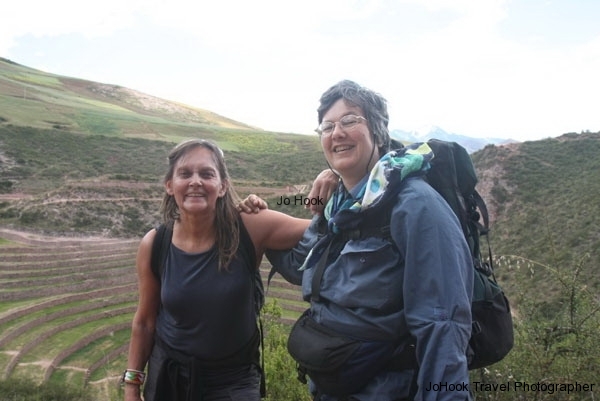
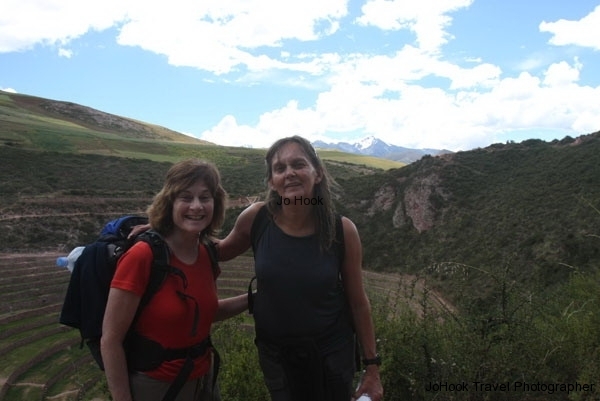
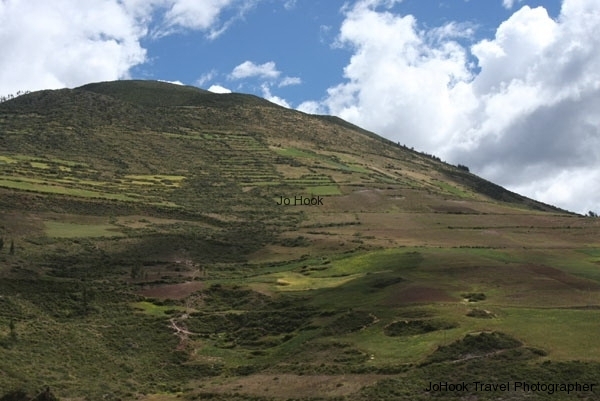
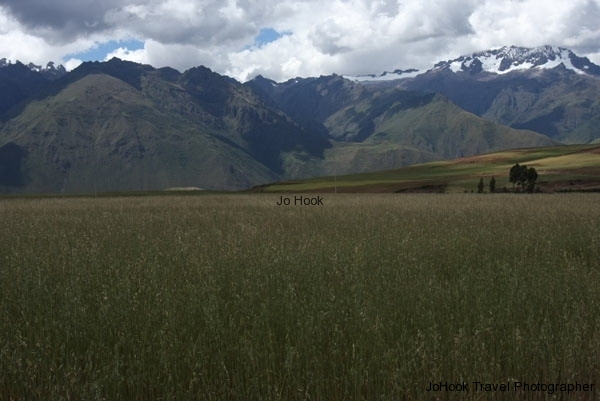
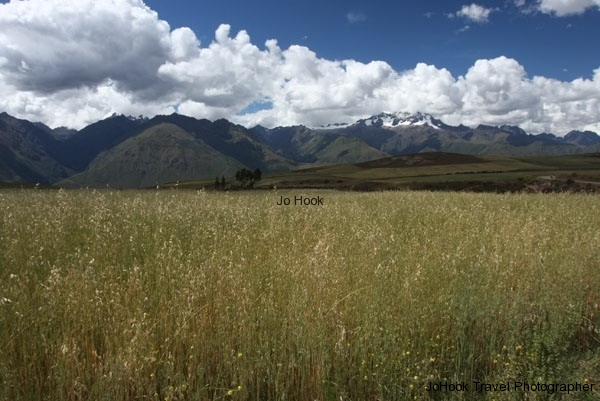
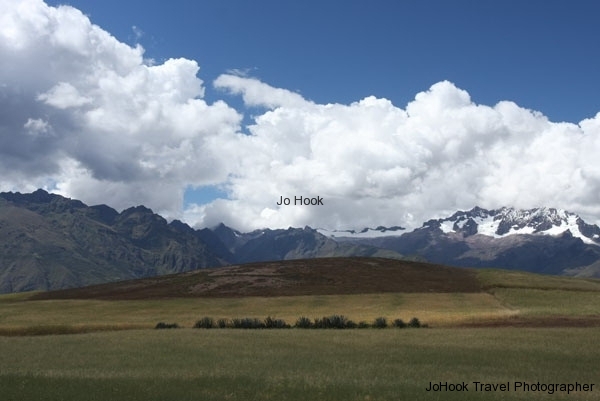
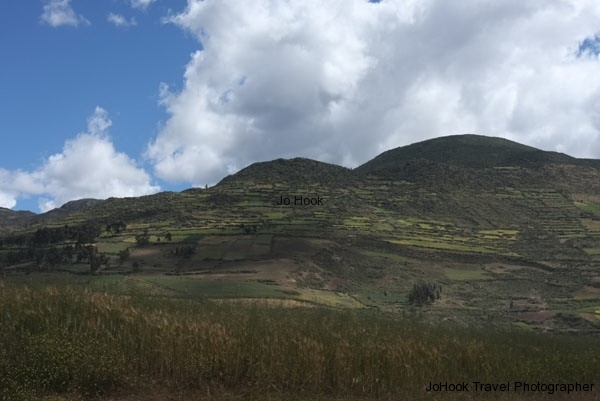
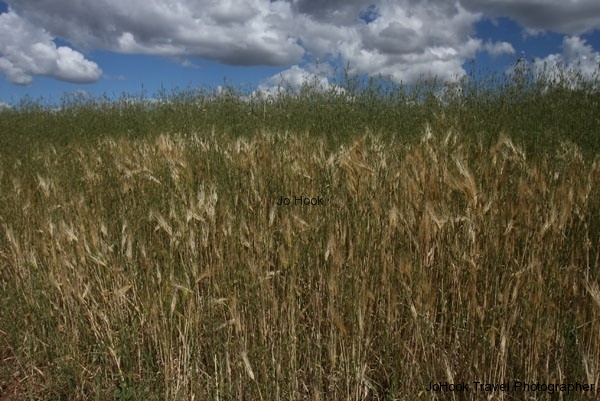
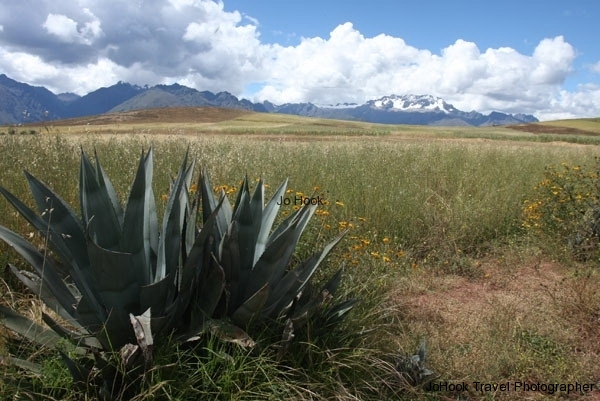
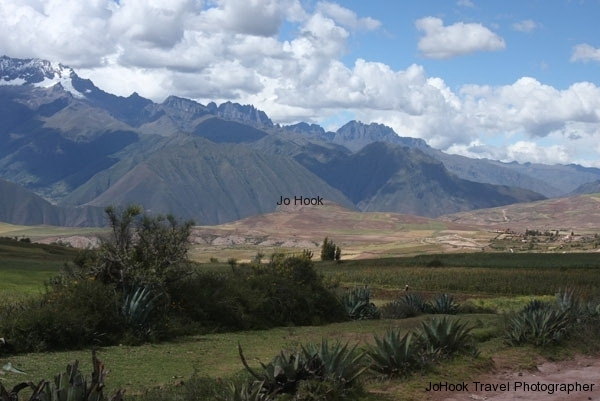
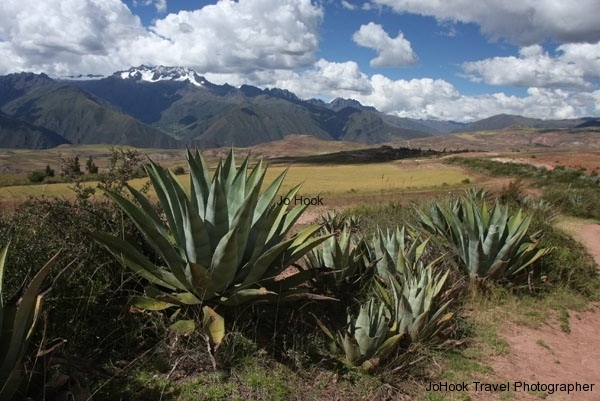
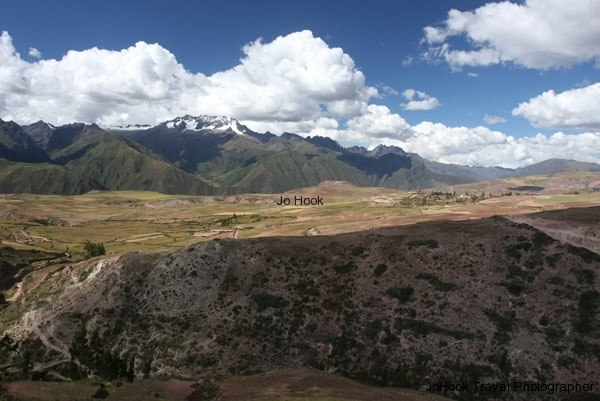
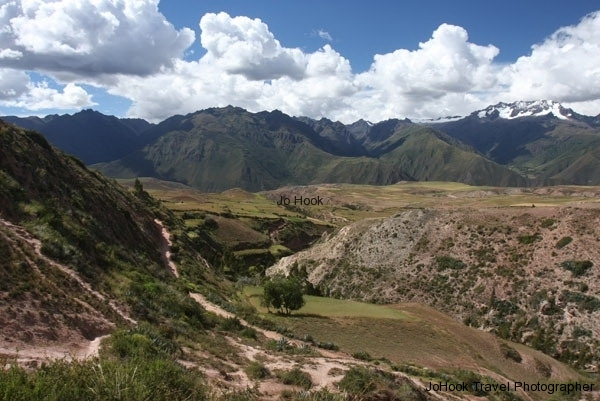
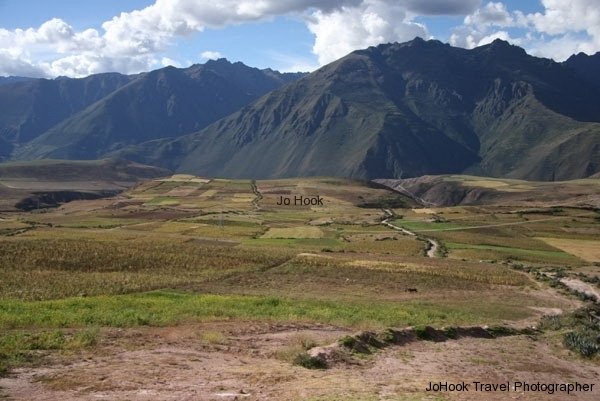
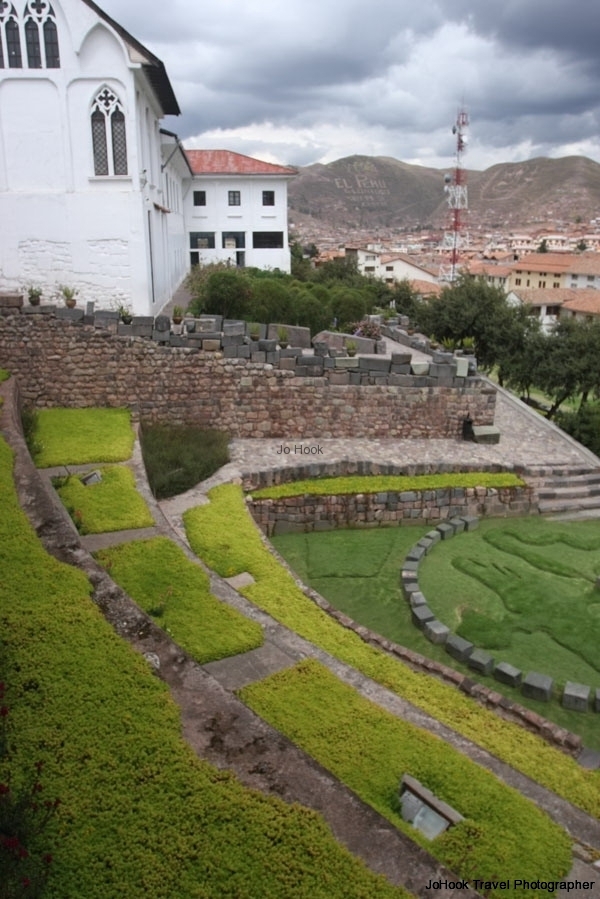
The narrow winding Rio Urumbamba valley known as the Sacred Valley runs from East to West from Pisac to Ollantaytambo with the snow capped Andes in the background. It was a key place of settlement for the Inca with its verdant valleys, agreeable climate and fertile ground While Salinas near Maras provides you with the natural beauty of crystal-looking salt, Moray provides a gorgeous set of terraced platforms in a circular form covered by lush green grass. The deep amphitheater-like terracing of Moray with different levels of concentric terraces are carved into a huge earthen bowl, each layer of which has its own microclimate, according to depth. Some think that the Incas used the terraces as a kind of laboratory to determine conditions for growing crops of certain species. There are three bowls, one of which has been planted with various crops as a kind of living museum. They have a depth of 150 meters, the overlapping concentric circular stone rings widen as they rise. The Moray site has a sophisticated irrigation system.
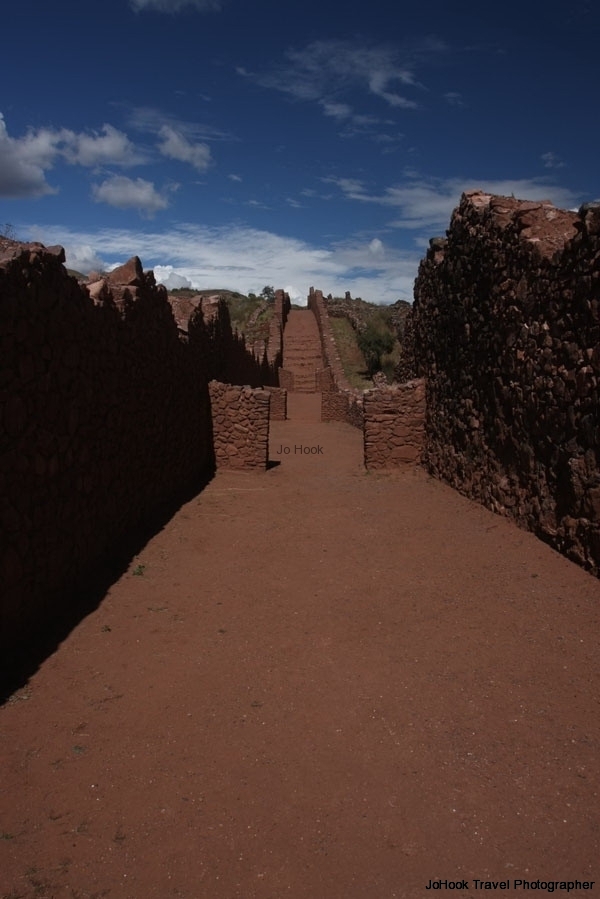
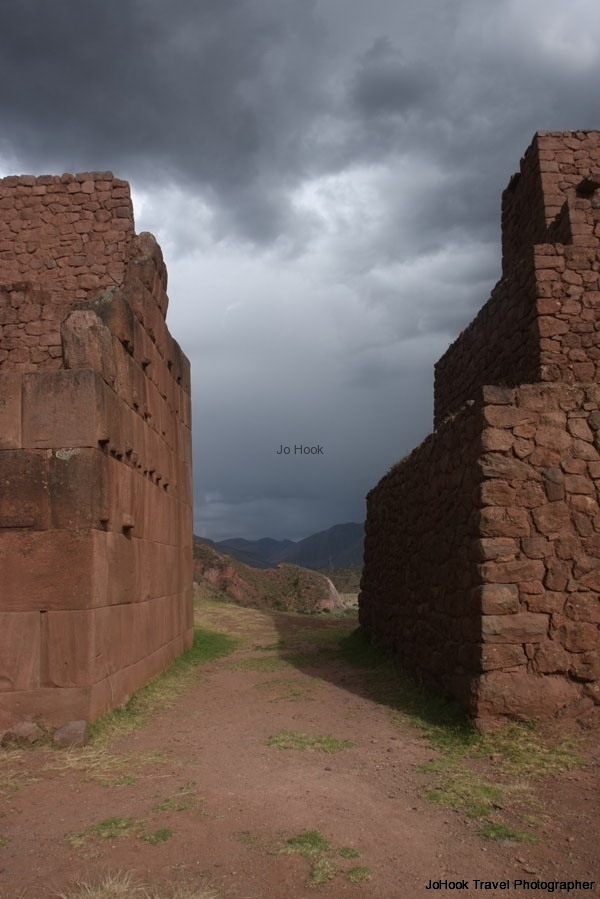
Pikillaqta means “The Place of the Flea”, was built by the Wari (Huari) culture around 800 AD, before the rise of the Incas.
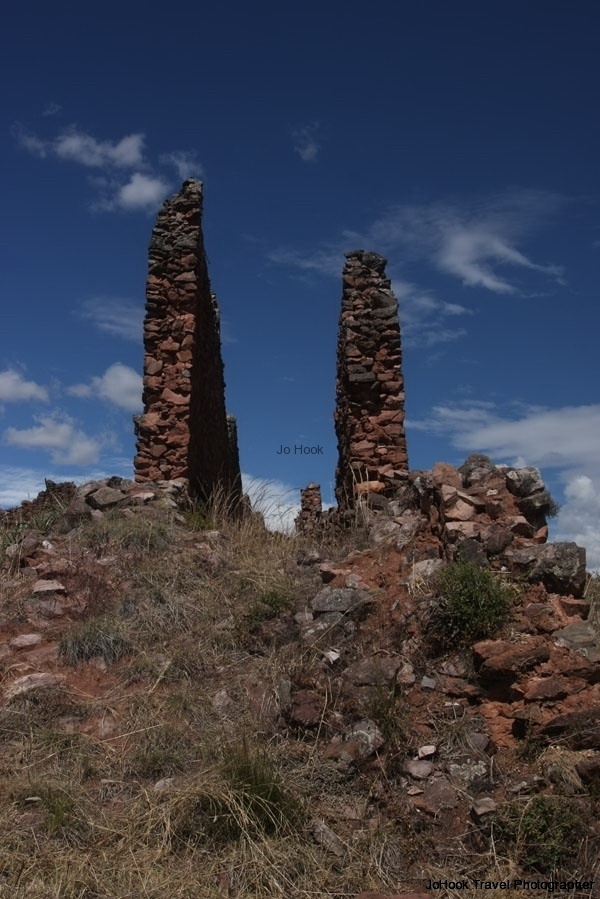
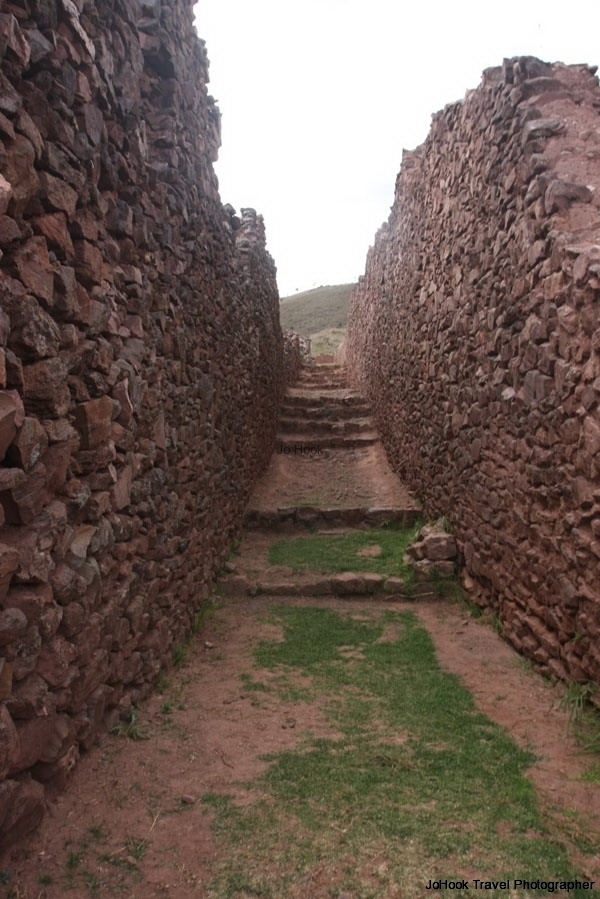
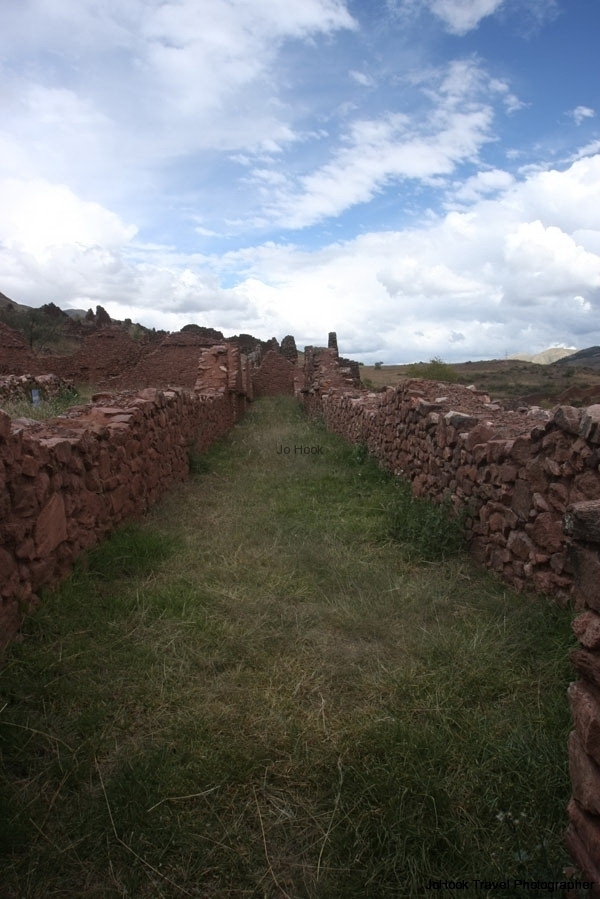
Pikillaqta (or Pikillacta) contains around 700 buildings. The city has a geometrical design and is divided in blocks with straight streets.
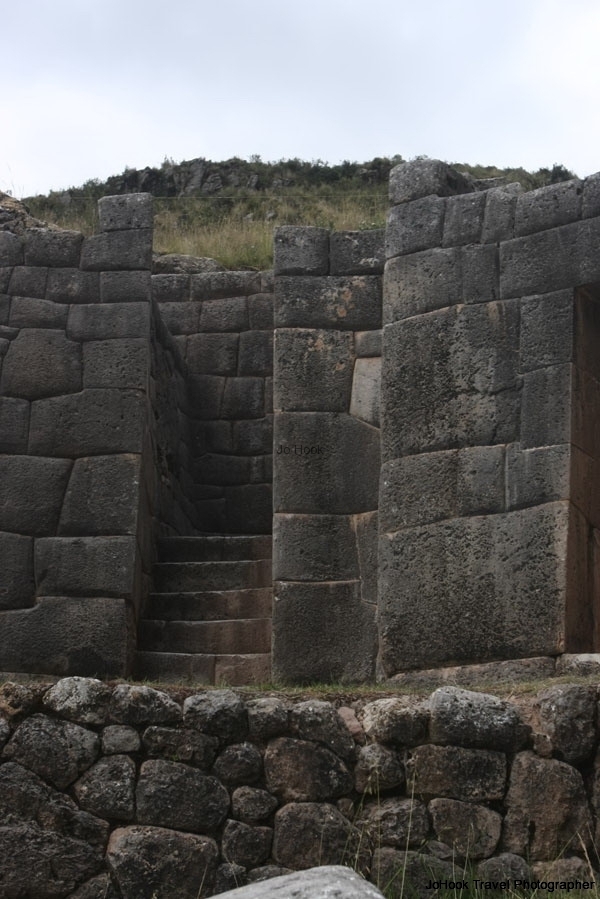
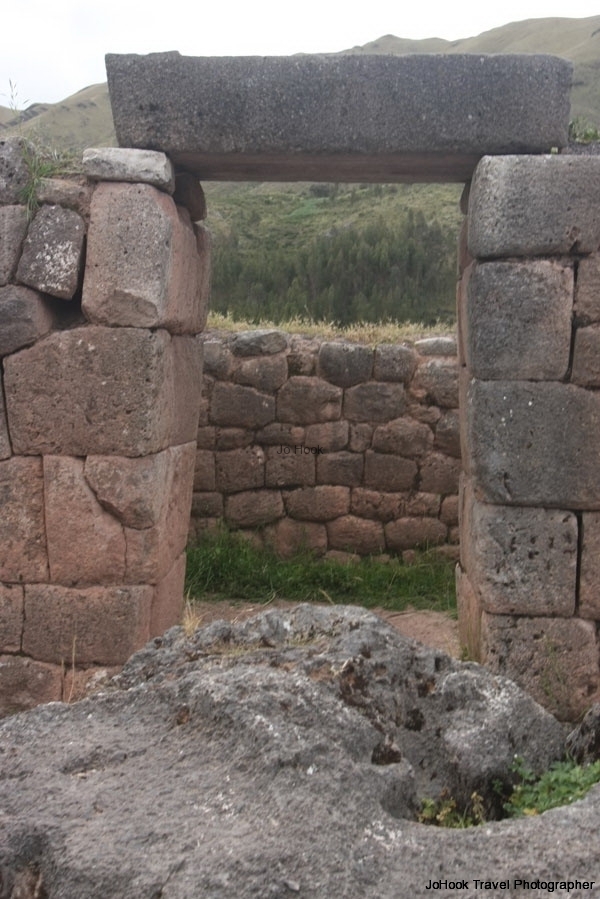
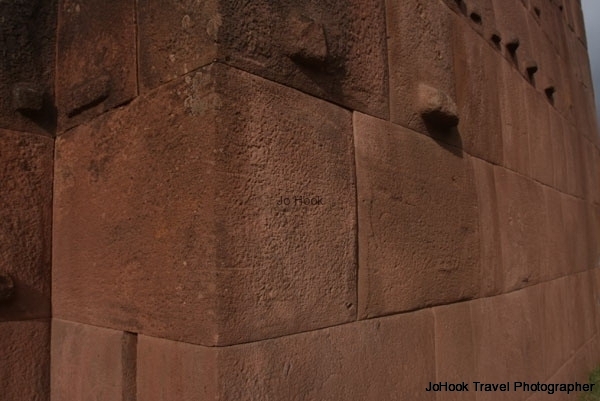
Its unique, geometrically designed terraces surround a group of bulky two-storey constructions: apparently these were entered by ladders reaching up to doorways set well off the ground in the first storey a similar system was used in Cappadocia in Turkey. Many of the walls are built of small cut stones joined with mud mortar. Turquoise statuettes were found in the grounds here. When the Incas arrived early in the fifteenth century they modified the site to suit their own purposes, possibly even building the aqueduct that once connected Pikillacta with the ruined gateway of Rumicolca.
This pre-Incan city was probably occupied around 800 AD -1100 AD.
The locals swear by coca leaves ,the plant that produces cocaine, as an antidote to the thin air. Tea is made from the leaves and is easy to find. Other ways to get your fix is through candy or simply chewing the leaves themselves.
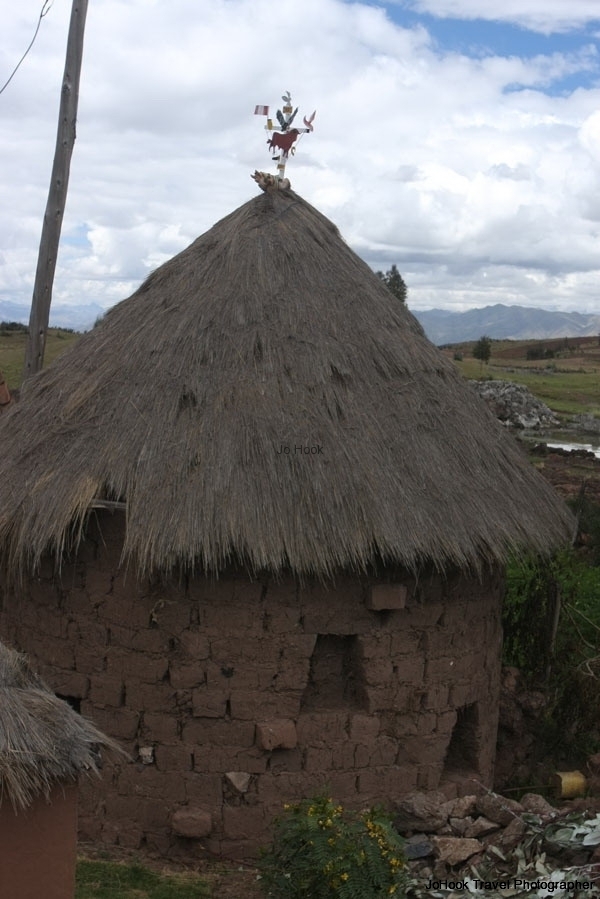
On the roofs of most of the houses in the Sacred Valley are small shrines that include a cross indicating the family is Christian, ceramic bulls for strength and fertility, a cask of corn beer to tie them to their ancestors, and a vial of holy water to sanctify the house.
There are 300 different varieties of potatoes.
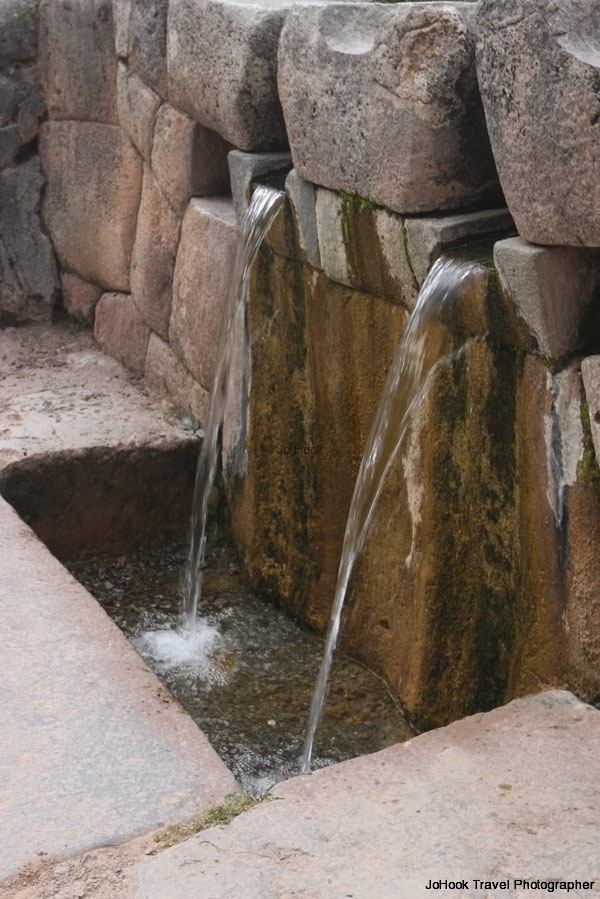
Tipón is famed for the traditional dish of cuy (guinea pig) and for its beautiful Inca ruins.The site is located high in the mountain tops. Trekking your way along a slowly winding dirt track you will come across a serious of well-maintained, verdant terraces, fountains and water channels which were were cleverly irrigated by the Incas. These terraces were constructed for agricultural purposes. The water channels feed the whole site with fresh water from a natural spring near the top of the site. When you start to explore the site you will be come across aqueducts, a small reservoir and traditional Inca stonework. The ruins of Tipón are not as big as other Inca sites but are beautifully designed. These ruins are water based and show how advanced the Incas were.
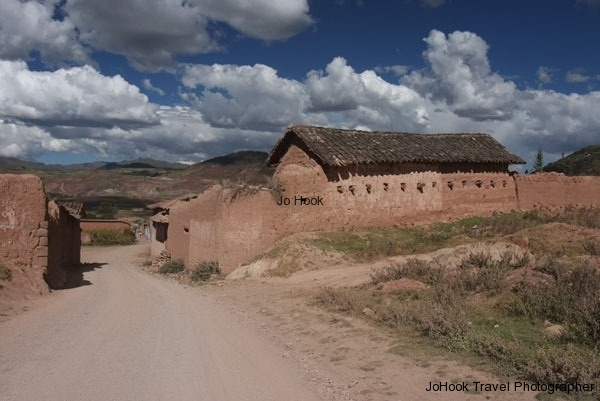
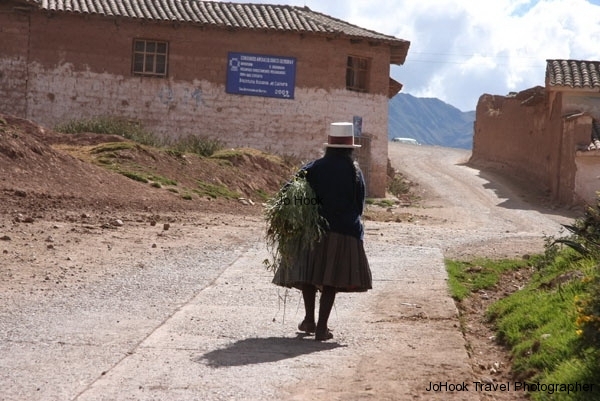
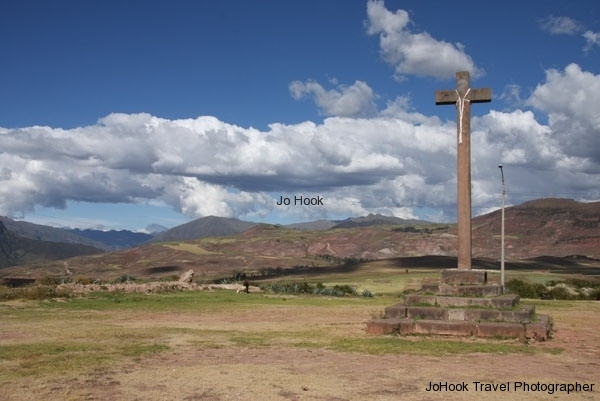
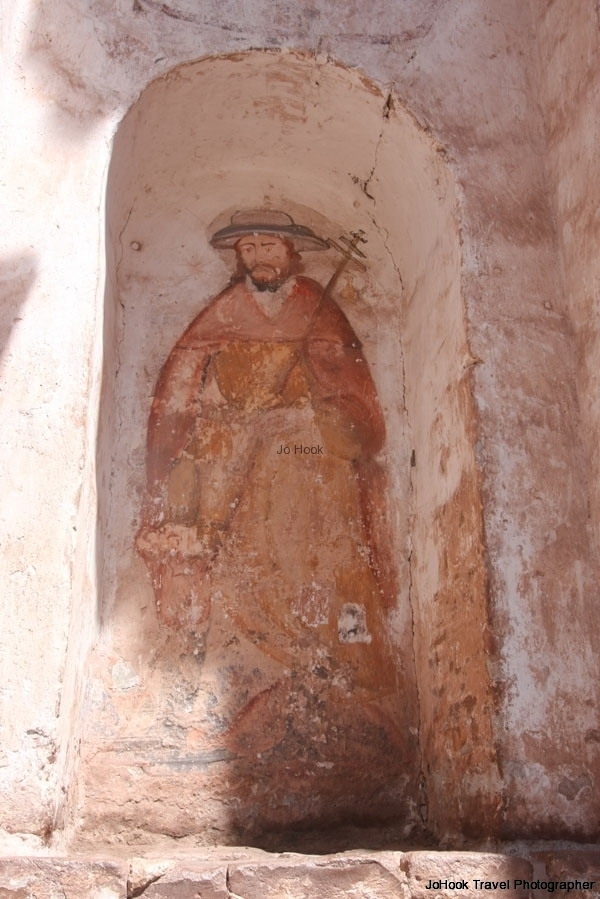
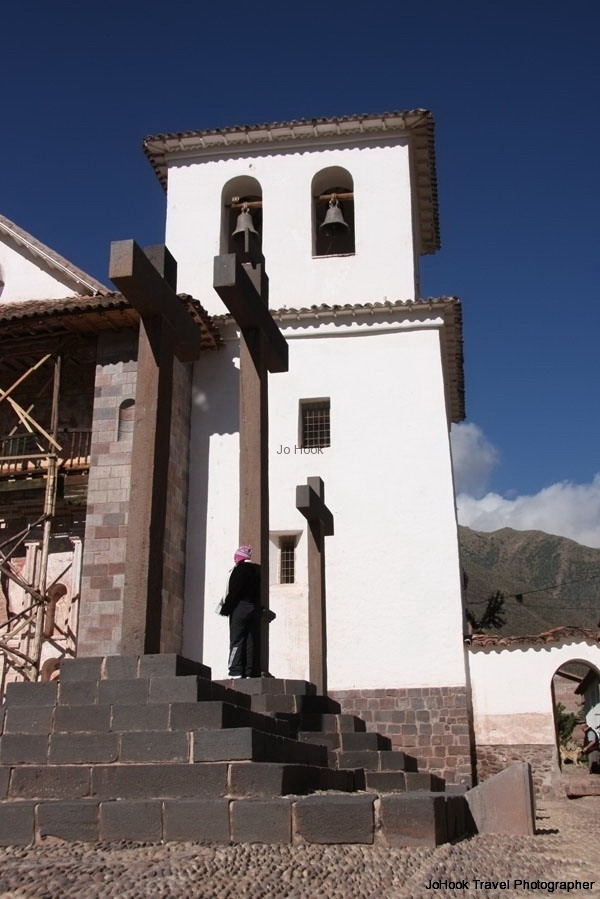
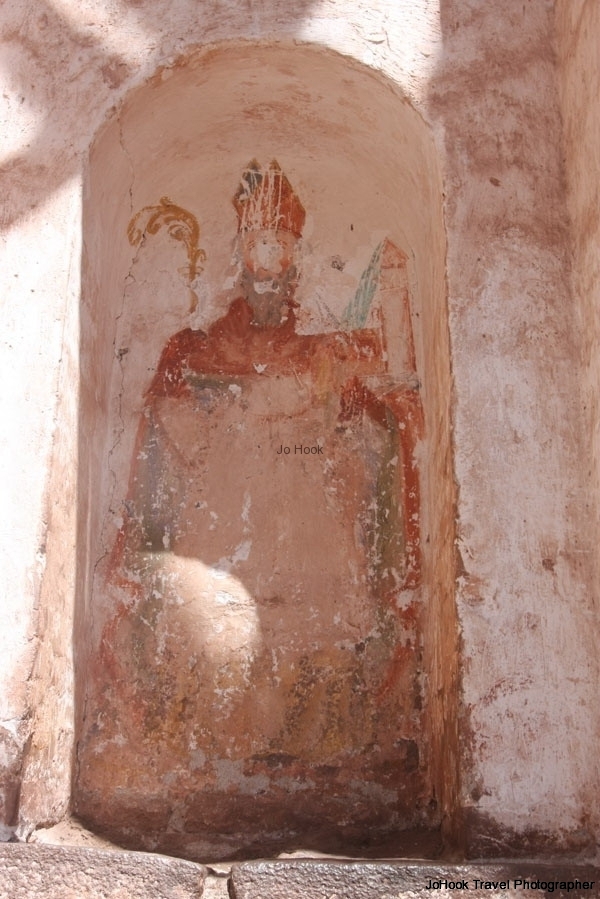
Urcos is a cool, colorful Andean very traditional market. I loved to visit the little town of Andahuaylillas with its adobe buildings and the beautiful church with its painted frescoes and three large crosses.
Ollantaytambo serves as gateway to Machu Picchu and sits at the foot of enormous ruins that share the same name. Its Inca built straight streets and drainage systems stem from the late 15th century, contemporary with the ruins, and has some of the oldest continuously occupied buildings. It is the starting point of the famous Inca trail but also for the railway line that takes you to Agua Calientes.