Lares Valley

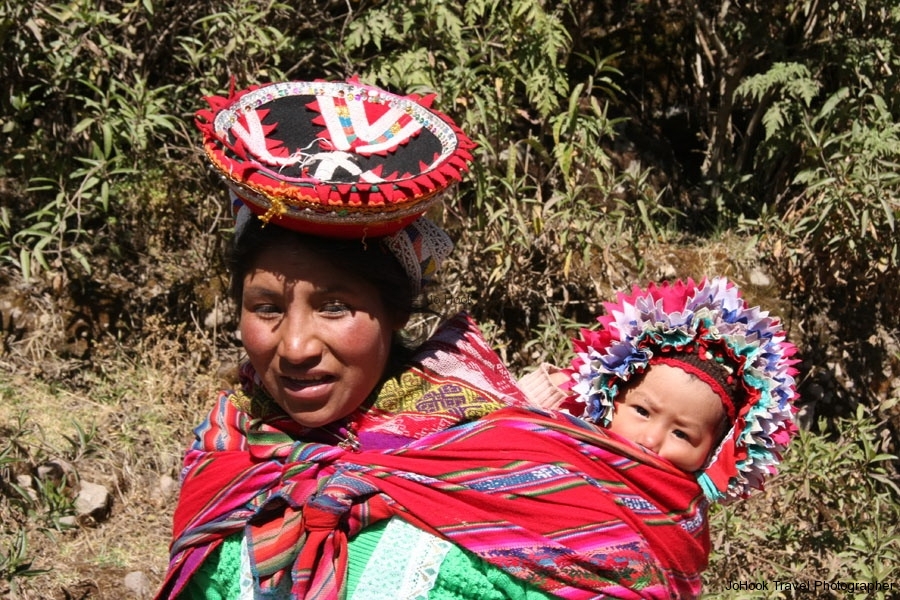
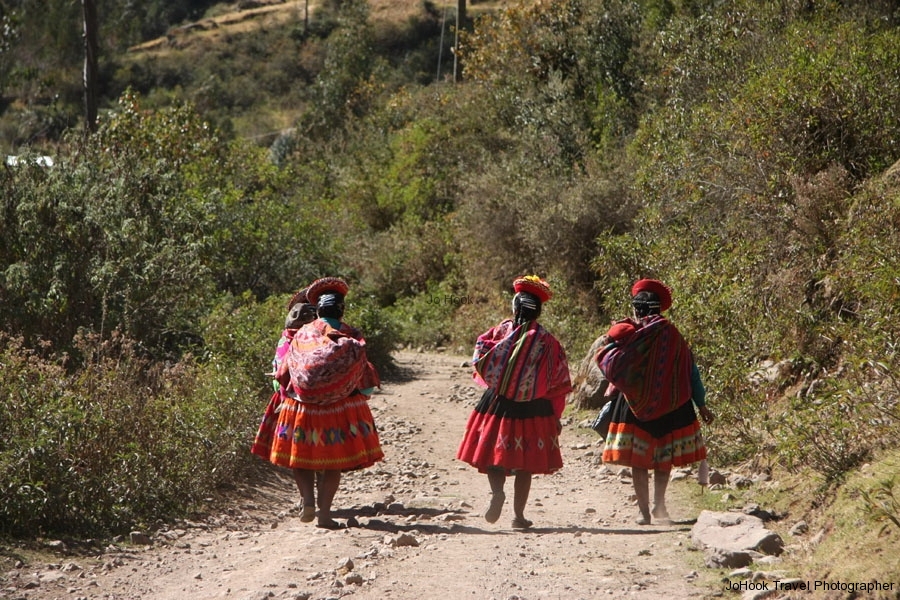
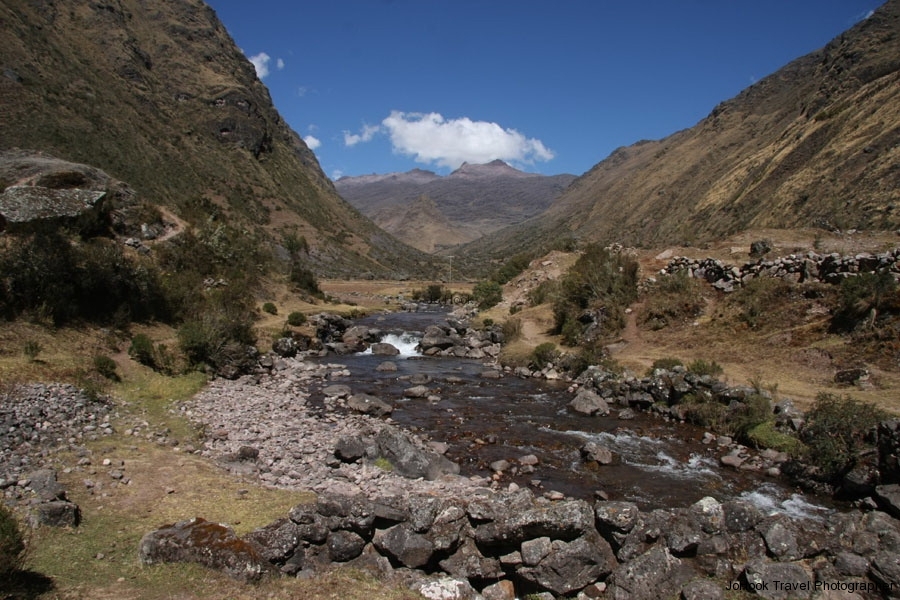
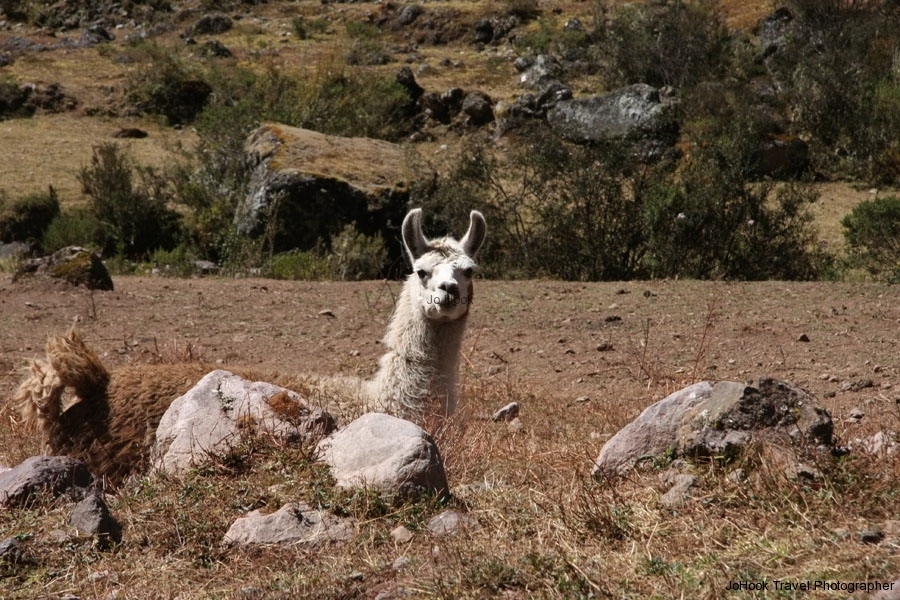
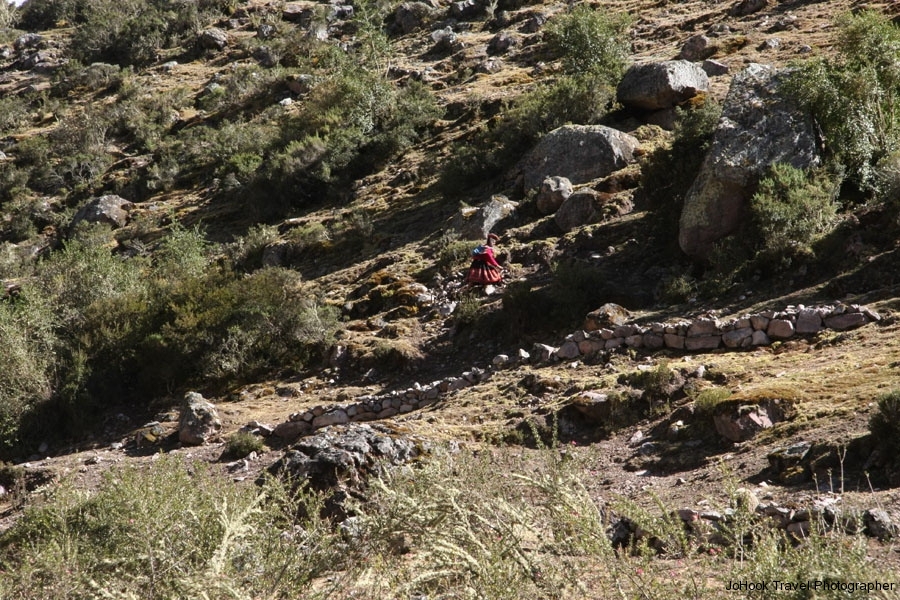
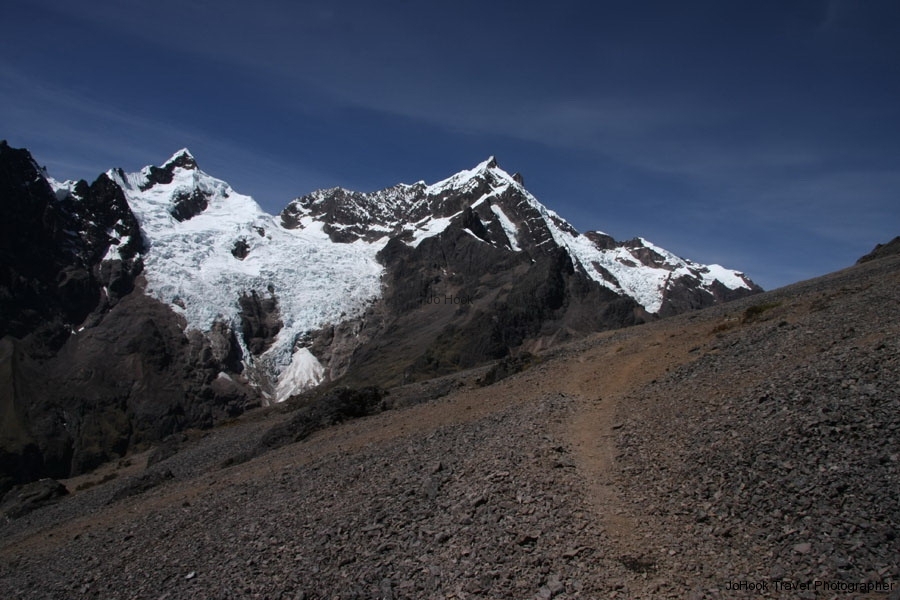
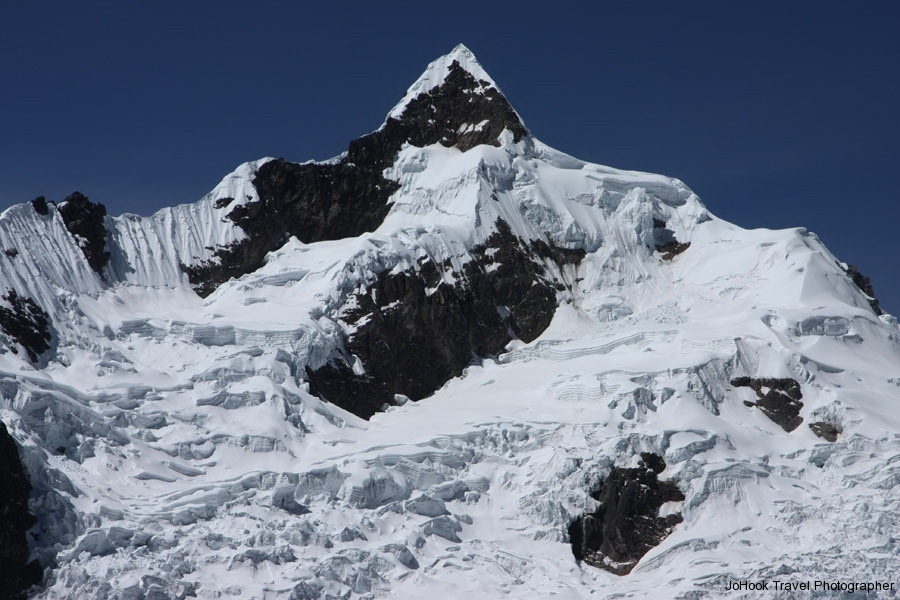
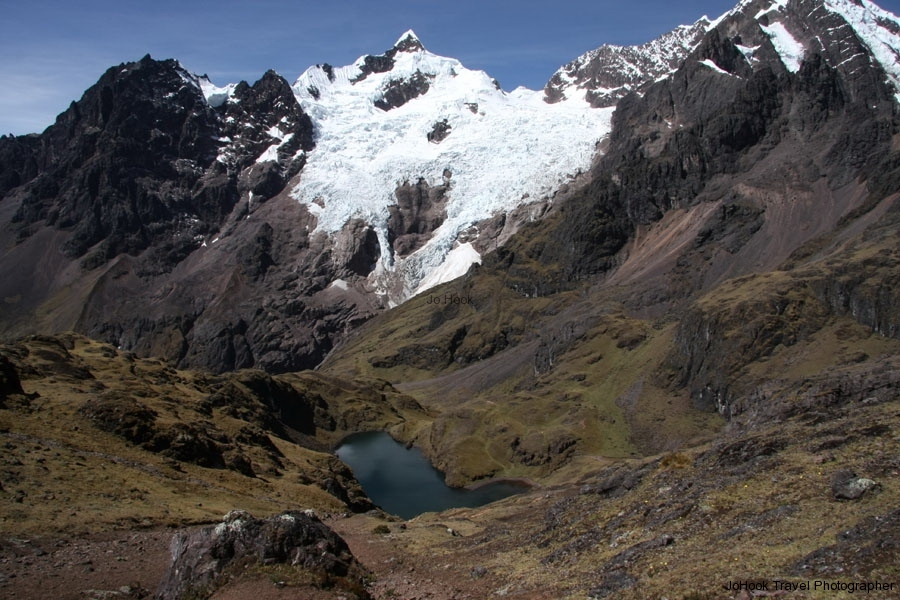
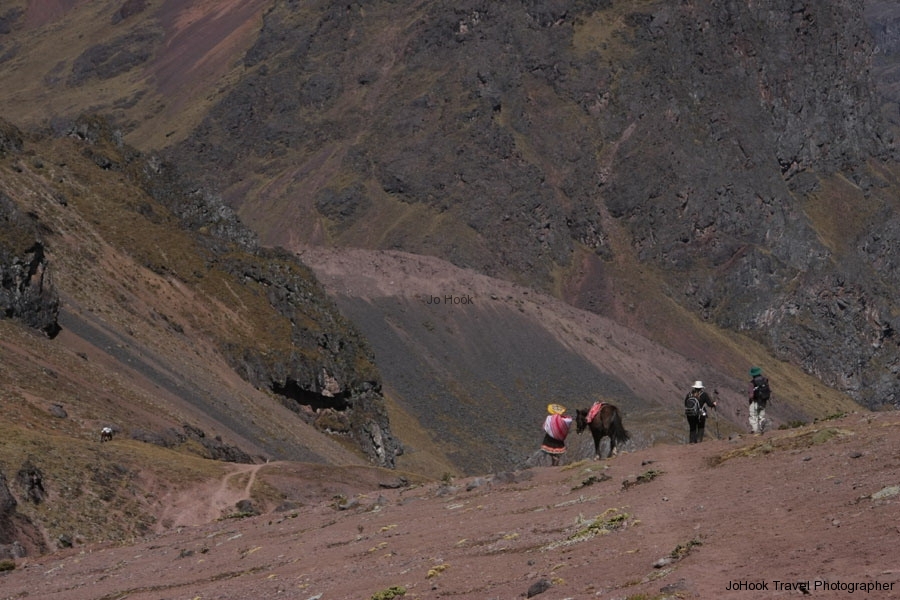
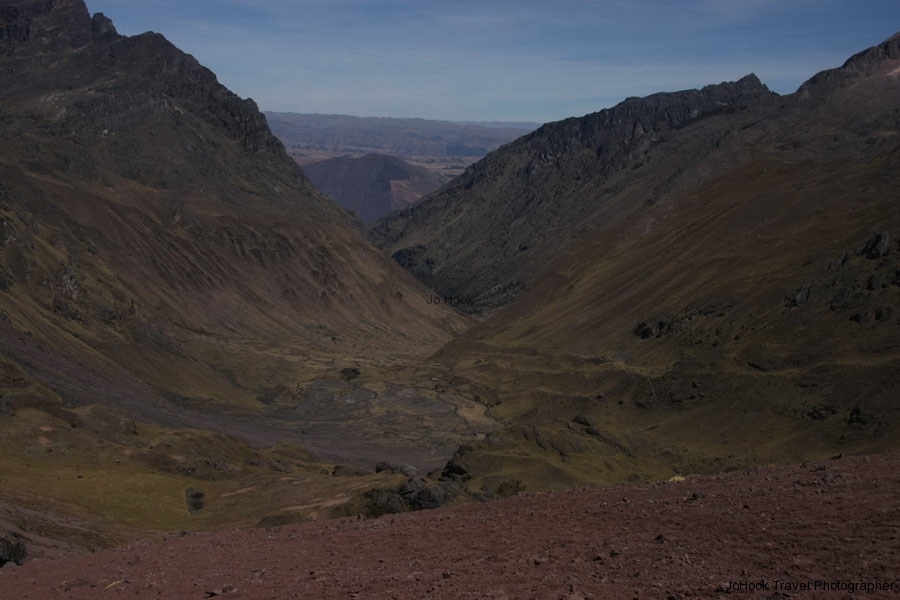
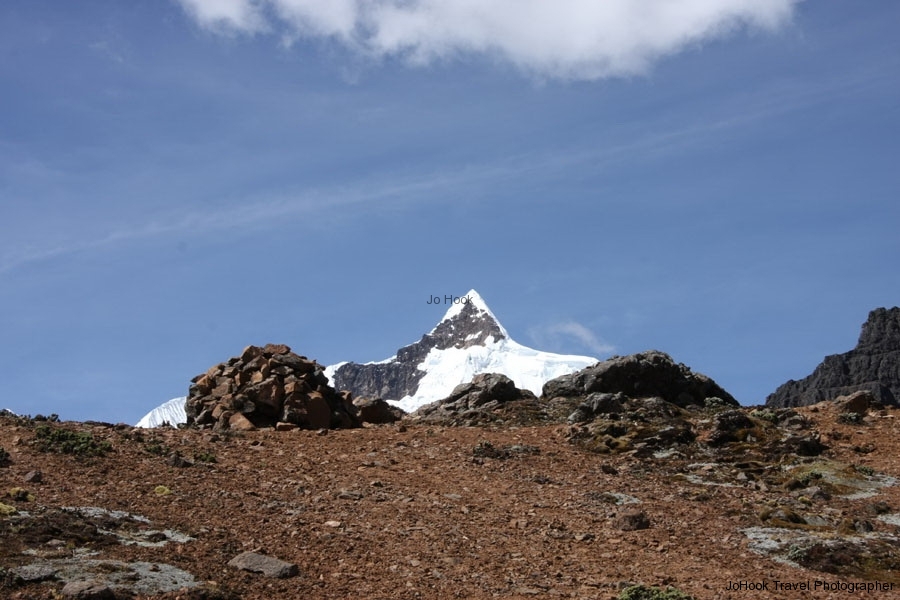
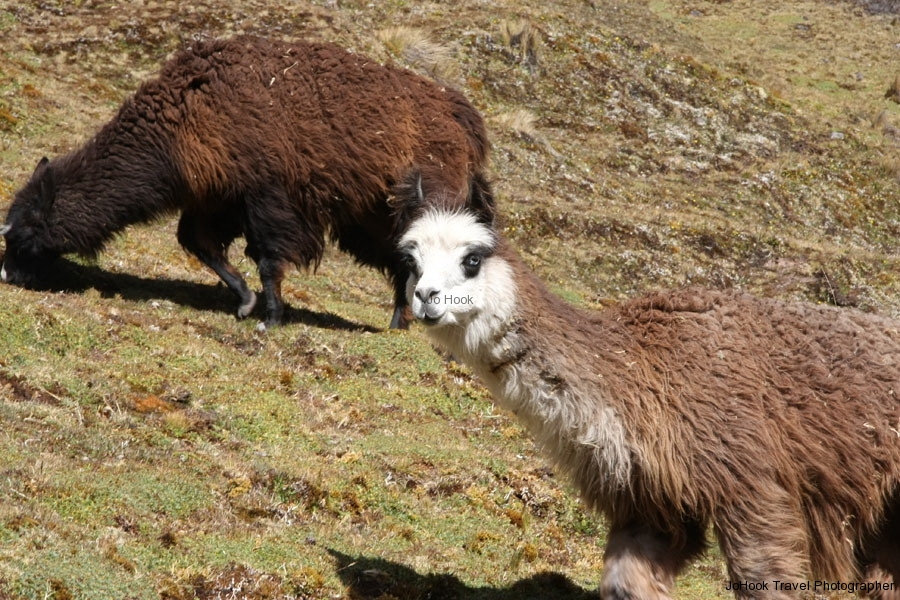
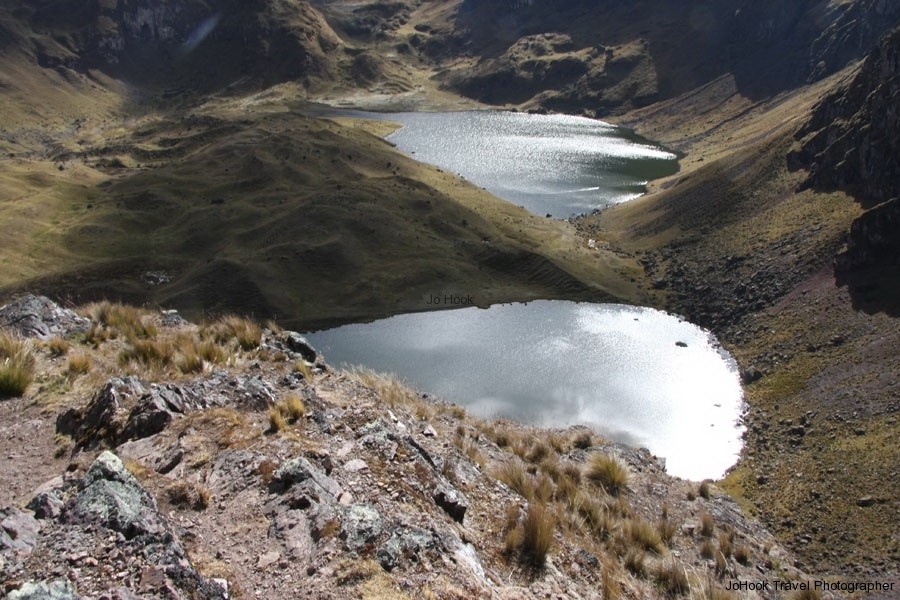
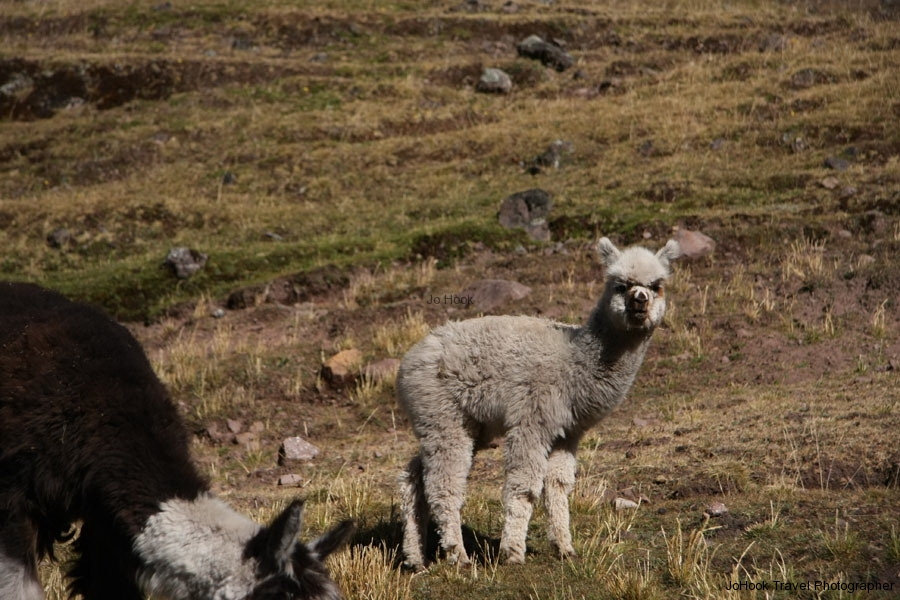
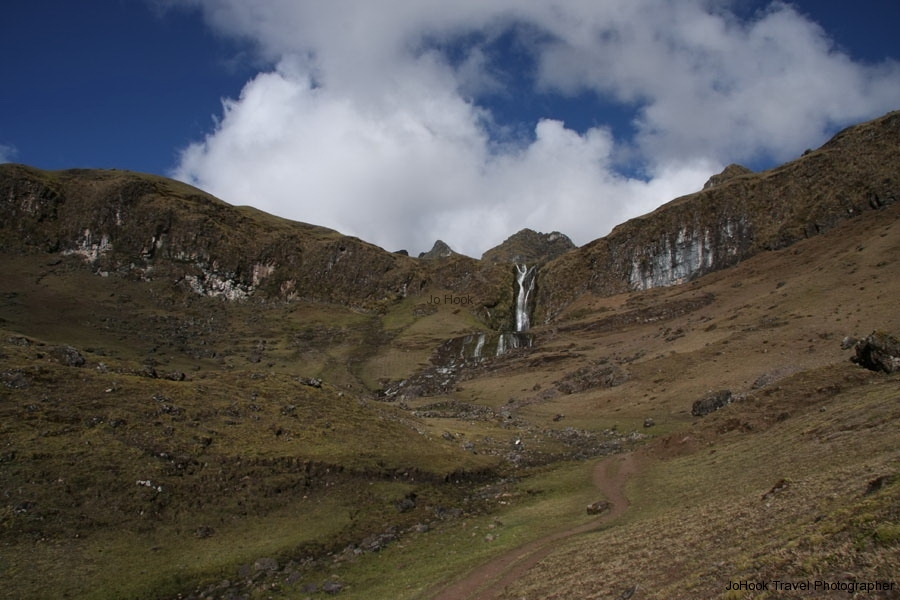
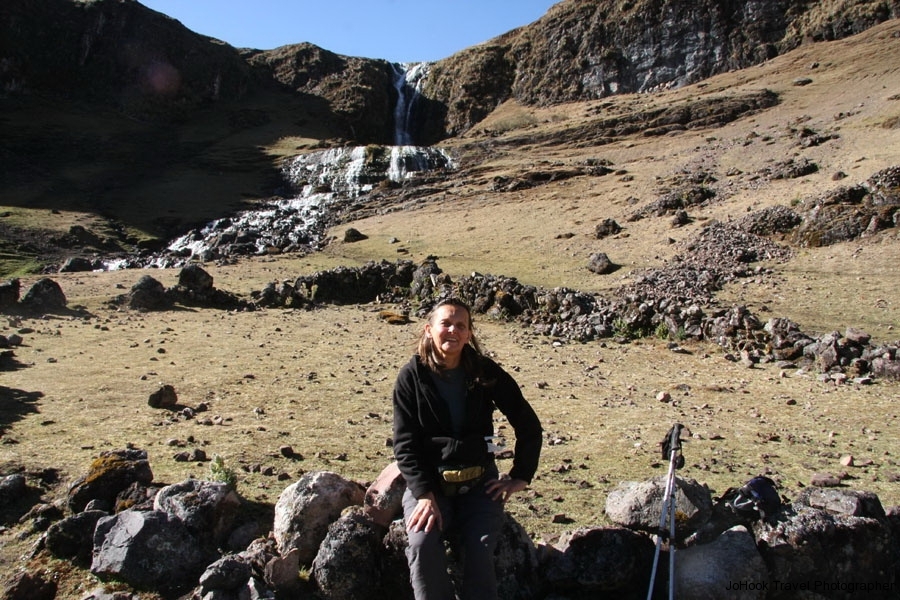
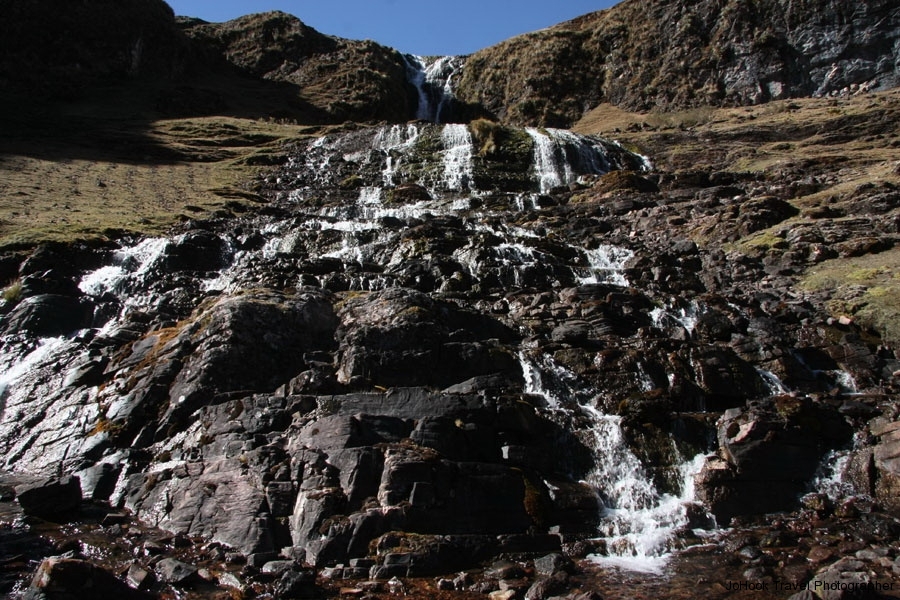
Waking up to the sound of the waterfall beside us, and washing in the clear cold water surrounded by mountains, beautiful blue and green lakes, valleys and snow capped peaks, thatched cottages, brightly coloured villagers, streams falling down the rocks, llamas and no else in sight the four days three nights Lares valley trek is a perfect way to enjoy the Andes.
I had the perfect companion in Lisa, with her trekking sticks, who walked steadily. I was faster but stopped to take a myriad of photos of the stunning vistas. The final day should have been easy as it was downhill through a valley of flowers but as I had hurt my arm and it was in a sling it was a bit tricky. I could not take photos but I could appreciate the beauty.
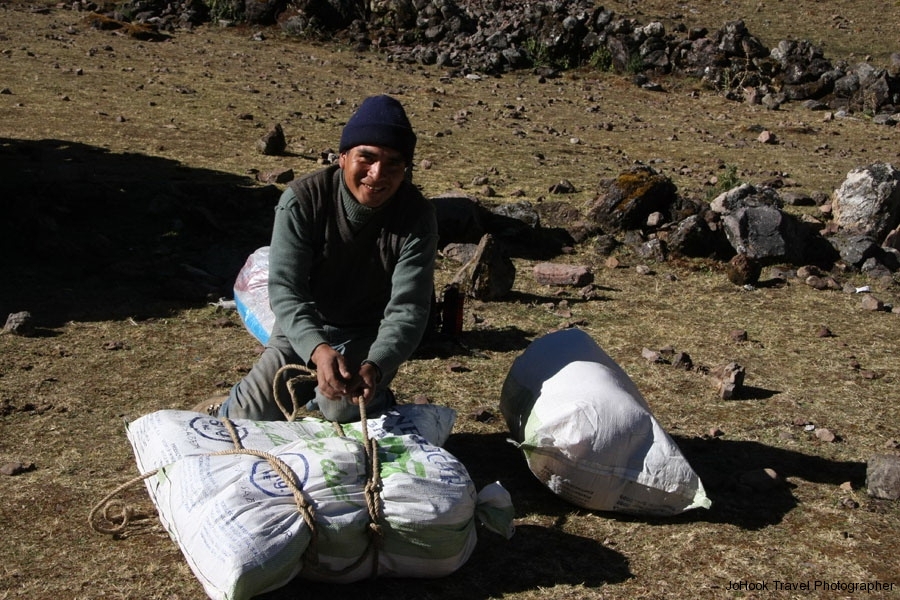
We went to the village of Lares the week before to organise our horseman and the horse for our food and bags. We had been given a name by South American explorers club and the local announcement system shouted his name for all to hear- there is only one telephone in the village and this is the way to tell someone there is a phone call or a visitor. The Lares Trek is so far off the beaten track that it has changed little over the last 500 years.
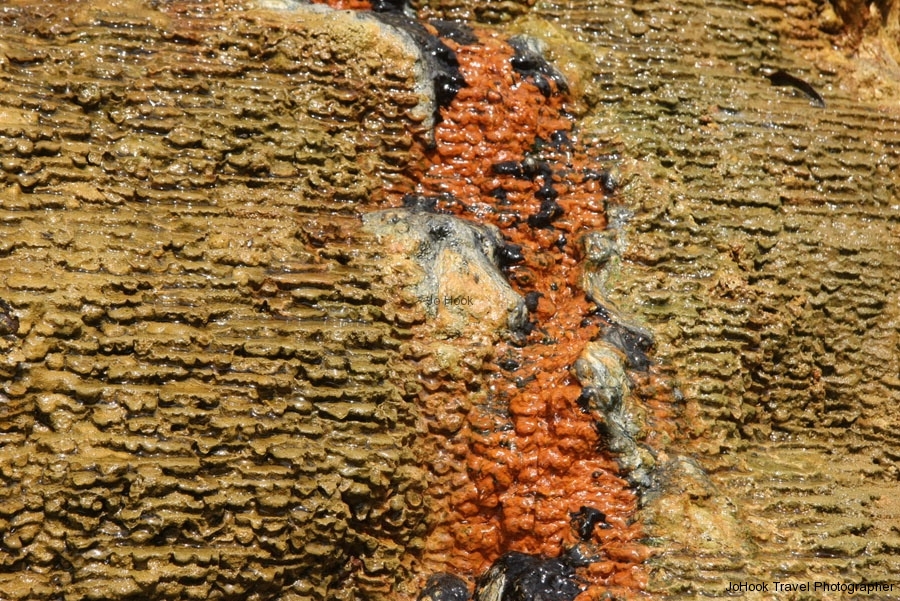
Often referred to as the “Weavers Way” this version of the Lares trek starts at the thermal springs in Lares. The trek then passes through the spectacular scenery of Huacahuasi, a weaving village, Patacancha and the turquoise Quellacocha lakes and ends in Huilloc. You cross over the Ipsaycocha Pass (4,450m) – the highest point on the trail. We saw thatched cottages, farmers in their brightly coloured traditional ponchos, llamas and alpacas, guinea pigs, peeked into the cottages when we could and learned a few phrases of Quechua to say hello.