Easter island Rapa Nui

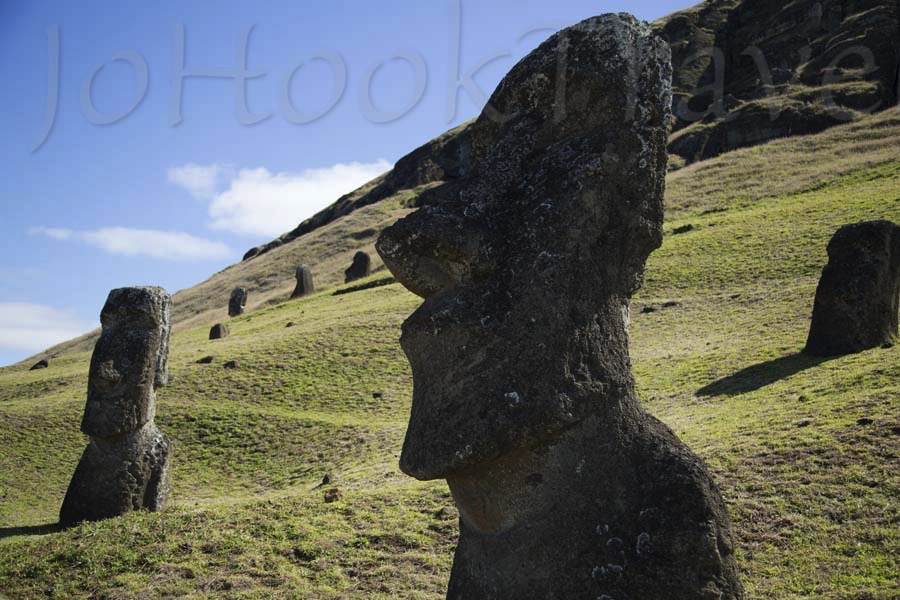
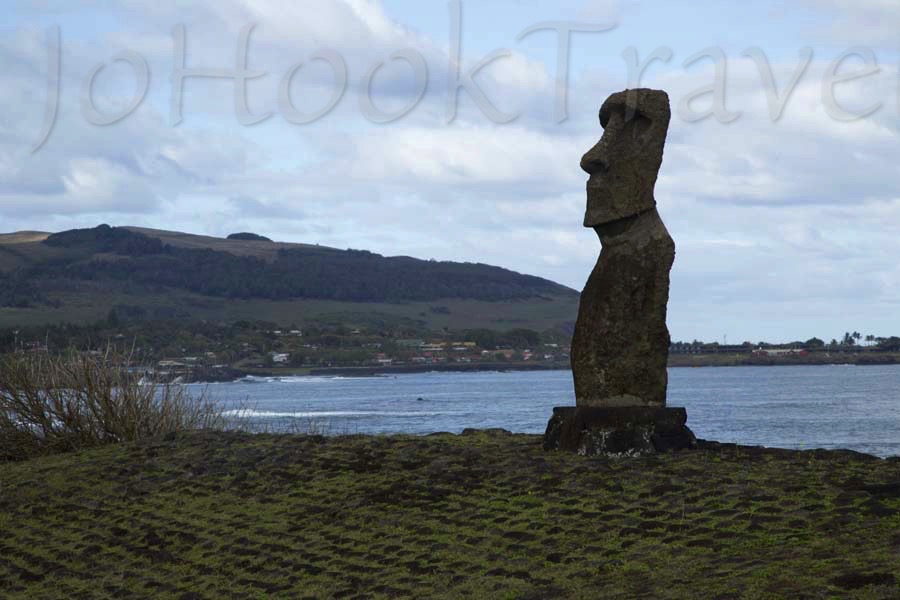
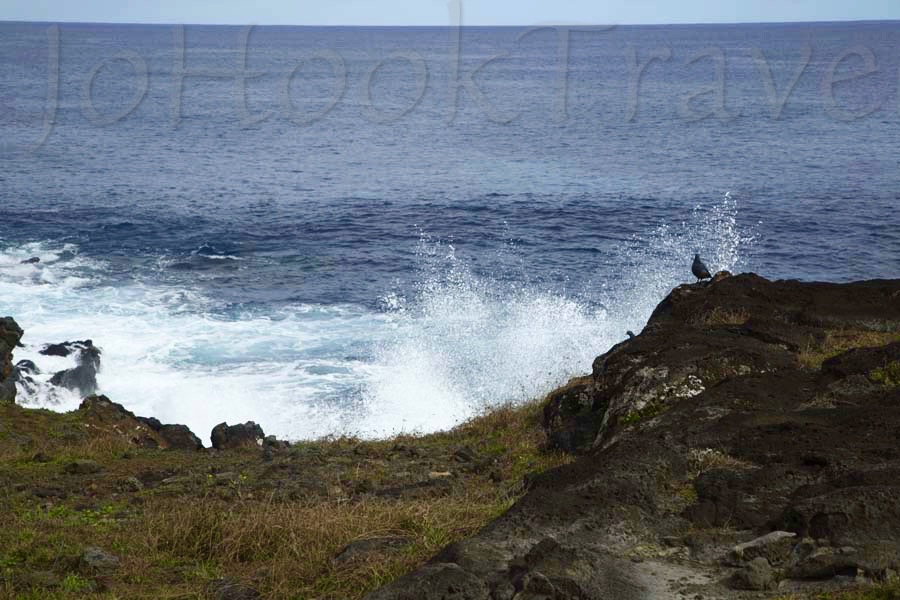
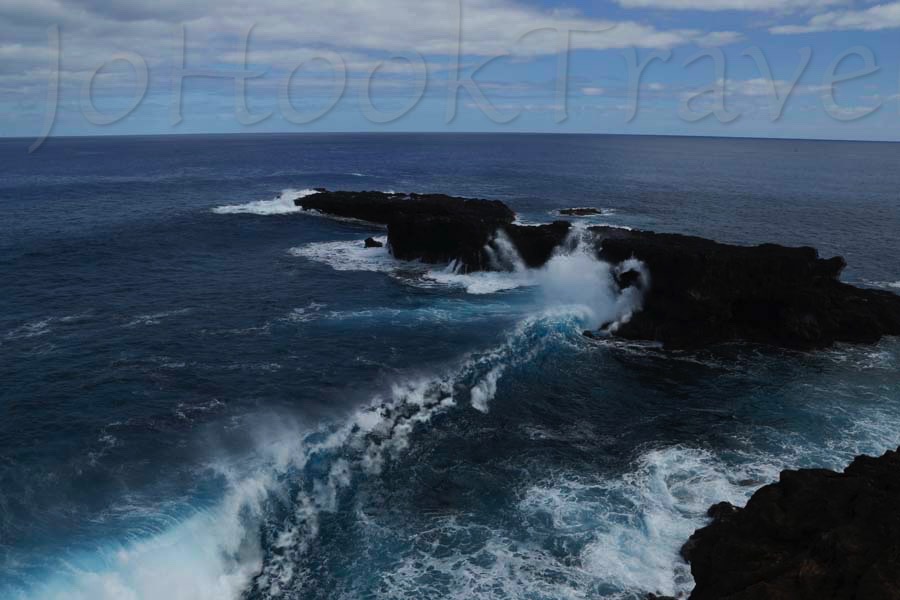
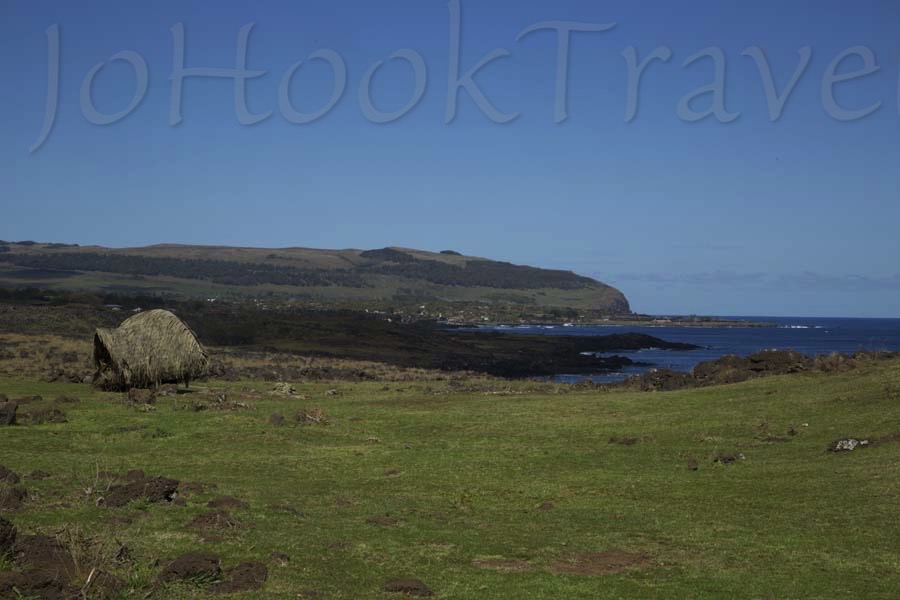
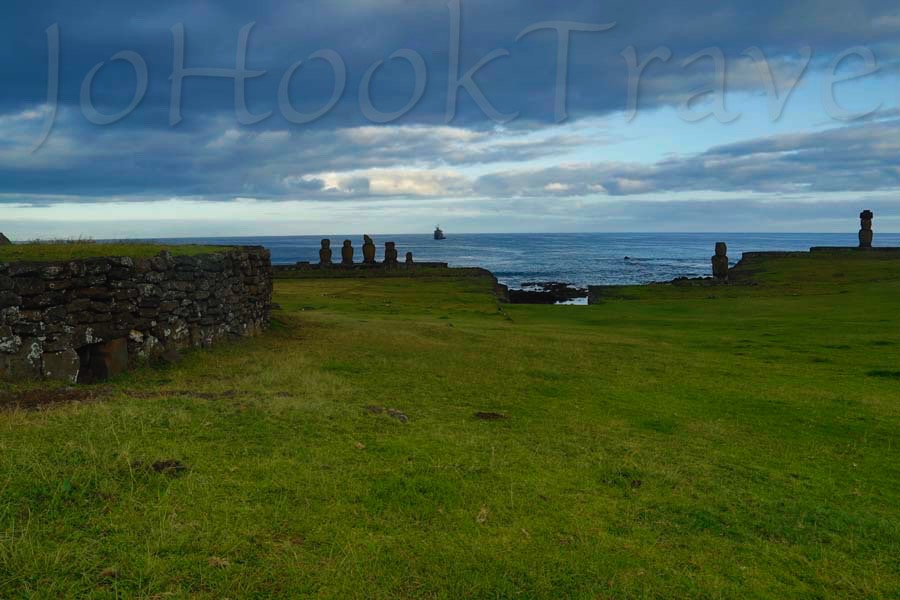
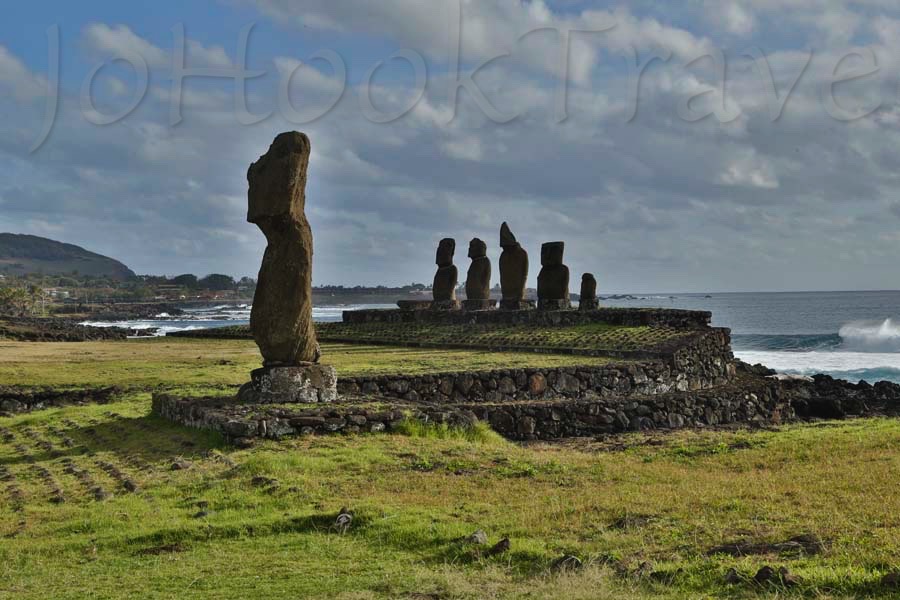
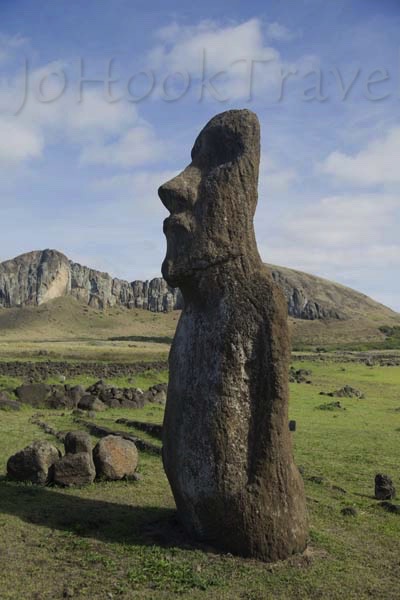
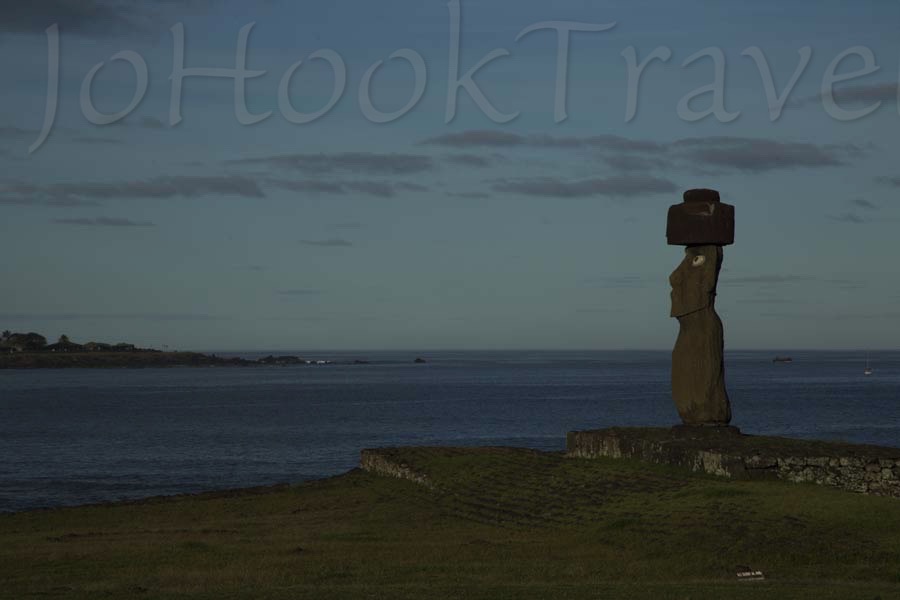
This is a gorgeous island with crashing waves and stunning landscapes. The Moai and the history surrounding them is really interesting. The burial grounds are called Ahus. The Moai sit on top of the Ahu’s. There are over 1000 Moai on the island. The Moai all have different faces as they represent a particular person and are believed to contain his spirit or “mana”. The first son of the first son of the first son builds up mana/power/spirit. The “living face” watches over it’s people. You cannot walk on the Ahu ground as it is very disrespectful.
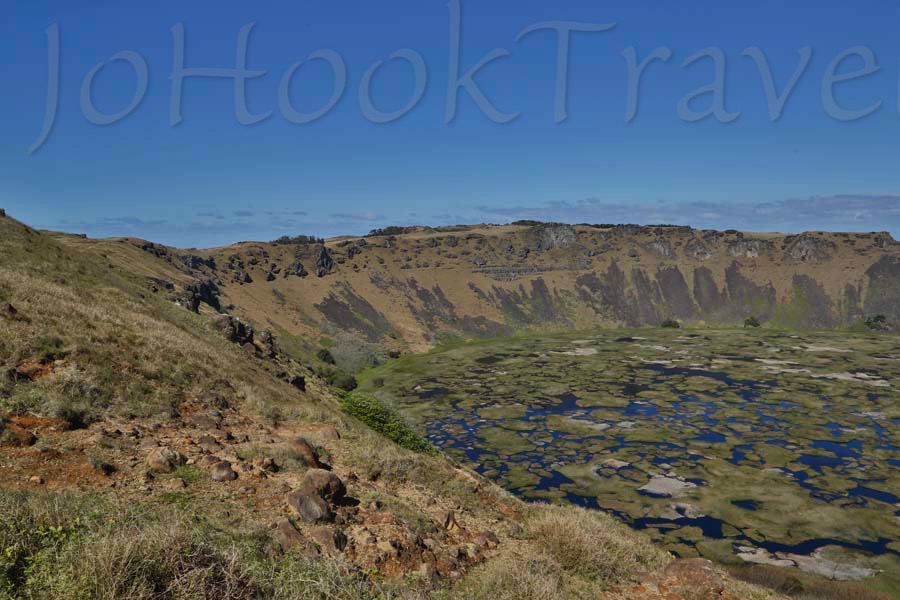
The quarry at “Rano Raraku” is where the majority of Moais were created. This Volcano provided the stones for the great figures and is where a visitor can see various stages of the carving, as well as partially-finished figures scattered around. A climb to the left side of the crater into the bowl, is well worth it. The opposite lip of the crater, where some of the Moai were carved, is off-limits.
Each clan typically had an ahu, although not all of them had moais. Rapa Nui. It is believed that the island was Colonised around 13th century though some say 4th century by Polynesians.
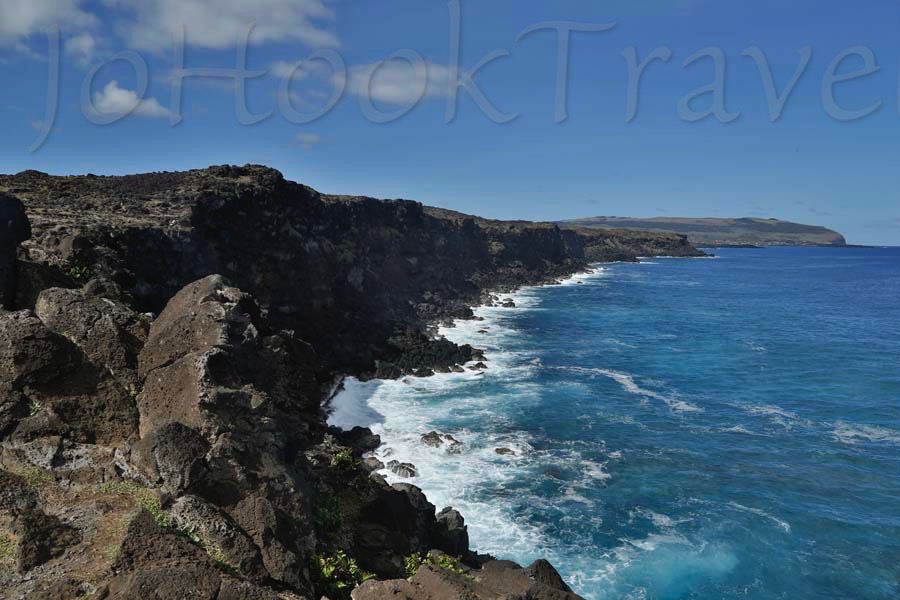
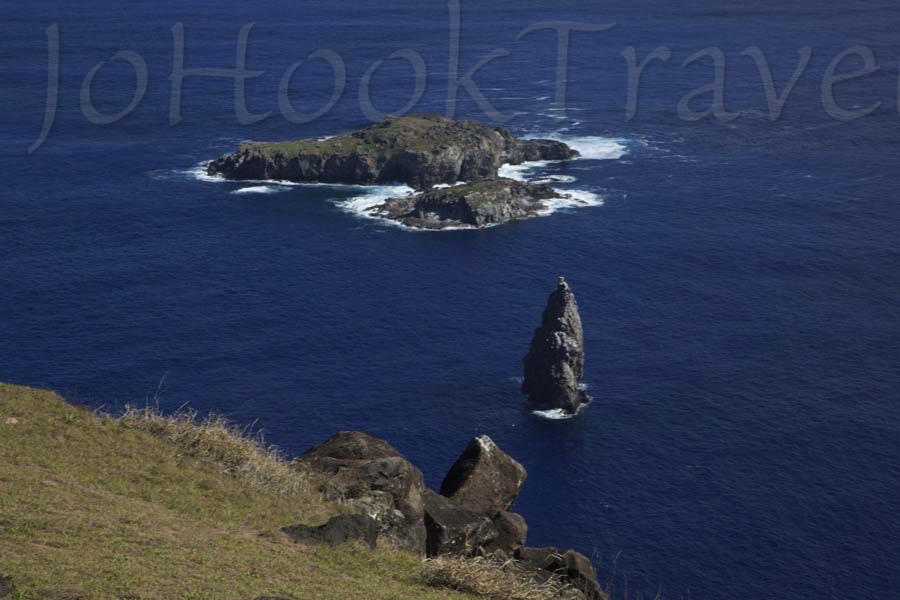
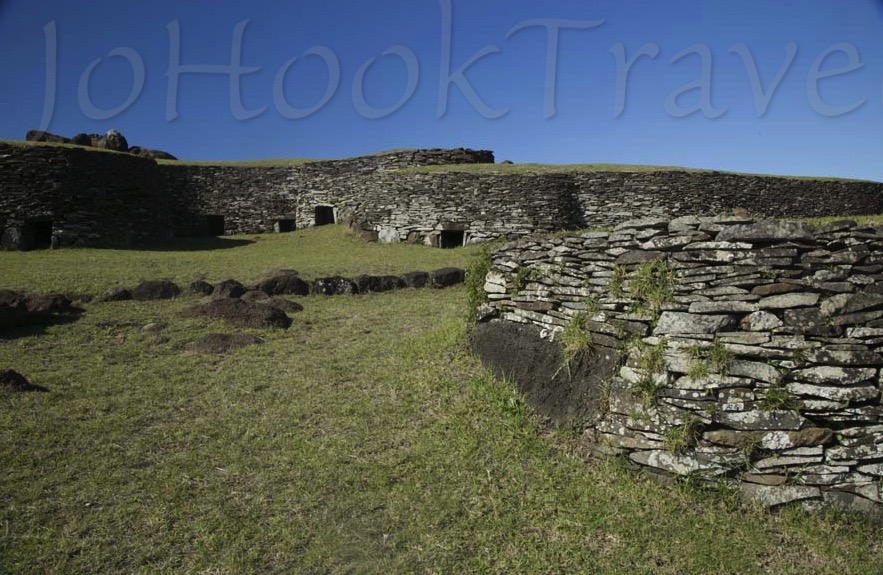
The round circular houses of Orongo “the call” village was where the young men stayed before they did their initiation rites of passage from childhood into adulthood. This changed into the Birdman competition where a representative from each tribe had to gain the first Easter island seagull egg and become leader for a year. The first competitor to return with an intact egg was declared winner after climbing down the 200 metre cliff swimming to an islet and then returning the same way.